How to raise fawns? Key points of scientific feeding and management techniques
Deer are very popular in China, every part of the deer has very high utilization value, and the breeding area in China is also very large. When we raise deer, if we want to ensure the normal and sustainable development of the deer herd, then the rearing of fawns is very crucial. Fawn rearing directly affects the later growth of the deer and has a great relationship with its yield and quality. So when we raise deer, how can we raise fawns well? Let's take a look together below!
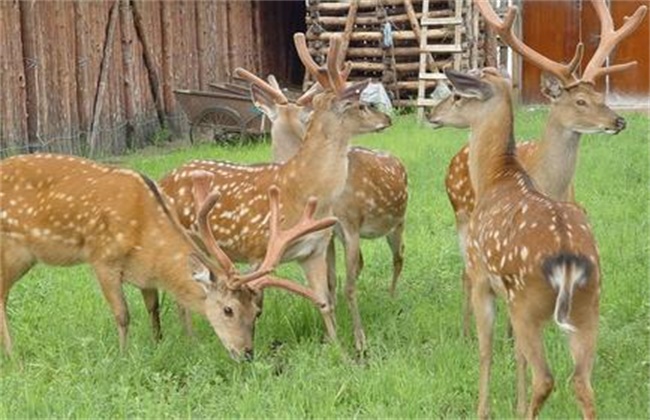
1. Postpartum management
During the doe's delivery period, we should have a dedicated person on watch, and handle any abnormal situations promptly to ensure the health of the doe and fawn. After the fawn is born, the mucus on the fawn's body should be wiped clean in time. If the temperature inside the deer shed is relatively low, then attention should also be paid to keeping it warm. Evaporate the moisture on the fawn's body as soon as possible, prompting the fawn to stand and walk early and to feed normally on colostrum. Then we should also do a good job of numbering and clipping ear tags for each fawn, for easy identification, and so they can be regularly sent to the doe's side to nurse. During the doe's lactation period, attention should be paid to maintaining good hygiene to prevent the fawn's body from having unusual odors.
2. Artificial nursing
After the doe gives birth, if the doe dies for some reason, or if there is no breast milk, then we should also do a good job of artificial nursing for the fawn. The milk used for artificial nursing can be cow's milk or goat's milk, etc. When nursing, we should reasonably adjust the number of feedings and the amount for each feeding according to the fawn's growth days of age, birth weight, and actual growth condition. Artificial nursing requires the keeper to have sufficient patience, and the keeper should be close to the fawn to avoid startling it. Moreover, after each nursing, the nursing utensils should be disinfected in time to avoid the production of bacteria, which could cause adverse phenomena such as indigestion and diarrhea in the fawn, thereby affecting the fawn's growth.
3. Supplementary feeding as early as possible
When raising fawns, supplementary feeding as early as possible can enhance the physiological functions of the fawn's digestive organs. So if conditions permit, weaning can be done in advance. When the fawn is about 2-3 weeks old, a small feed trough can be set up in the protective pen. Then put an appropriate amount of mixed concentrated feed into the trough for the fawn to eat freely. The mixed feed is best mixed with warm water into a paste. Supplement feed about once a day, and keep the feeding amount at a level where the fawn finishes eating without leftovers. Then, as the fawn grows, appropriately supplement some green feed such as green grass. When the fawn gradually eats coarse and concentrated feed, a water trough should be set up in the deer shed to maintain sufficient drinking water.
4. Care of weaned fawns
After the fawn is weaned, attention should be paid to grouping and raising them according to various conditions such as sex, individual size, and physique. When the fawn has just been weaned, it is mentally unsettled and its appetite will decline somewhat. So management should be strengthened, increasing the number of feedings each day to about 5 times. Then at night, attention should also be paid to supplementing an appropriate amount of green and coarse feed; the coarse feed should mainly be easily digestible pasture grass and leaves, chopped and fed to the fawn. Then maintain sufficient drinking water and supply sufficient minerals. At the same time, attention should also be paid to supplementing nutrients such as microorganisms and trace elements to ensure the healthy growth of the fawn.
The above is a brief introduction to how to raise fawns well. That's all for today's introduction. This article is for reference only, and I hope it can help everyone!