How to effectively prevent parasitic diseases on cattle farms
Parasites on cattle farms are a major problem that farmers need to consider, since every outbreak of parasites has a big impact on cattle. Cattle are fairly large, while parasites are small and easy to miss, so in many cases people simply cannot spot the problem in time, which means the only option is to focus on prevention. So how should parasites be prevented?
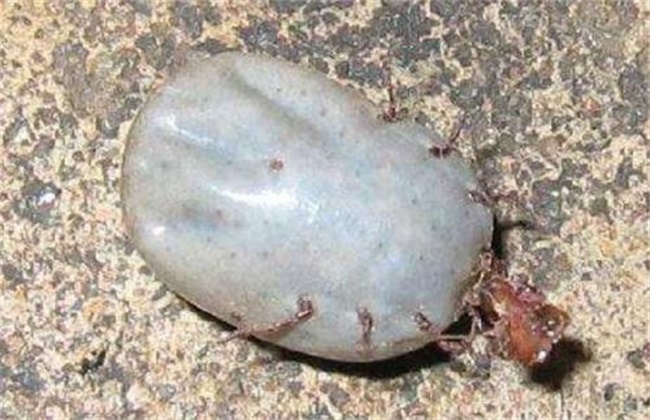
1. Get the layout right
The location of the cattle farm is fairly important. If it sits in an area with large numbers of various poultry and the like, the odds of parasites appearing will rise, especially on farms where chickens and dogs frequently roam. The layout also matters a great deal. Raising cattle requires preparing different areas, such as activity areas, production areas and so on. If the boundaries between these areas are not clear, parasites can easily spread. A cattle farm does not need to be too closely connected to the outside world, and it needs good isolation walls and the like all around, so that outside parasites cannot easily be carried in.
2. Disinfect frequently
Parasites themselves are not anything especially formidable; they are very easy to destroy. What makes them hard to deal with is that once they have attached themselves to cattle, killing them while also caring for the cattle becomes much more difficult. Disinfecting frequently as part of the daily routine can effectively hold their appearance in check. Before they reach the cattle, there are more ways to kill them and fewer concerns to worry about, and disinfection can deliver a direct fatal blow to parasites. Frequent disinfection works quite well in this respect too.
3. Keep cattle manure away from the cattle farm
Cattle manure is one of the important sources of parasites. Many parasites hide in cattle dung or are excreted by the cattle themselves, but if the manure stays in close contact with the cattle, the parasites will take the opportunity to attach themselves to the cattle. Why must cattle manure be kept away from the farm? Precisely to avoid this situation. Moreover, when manure piles up too much, it also tends to trigger some diseases in cattle, so cattle manure must be kept apart from the farm; at the very least, manure that has been cleared must no longer come into easy contact with the cattle.
4. Do a good job of mosquito and insect control
Parasites caused by this are the most common, and the ones everyone most needs to pay attention to. Cattle are extremely attractive to certain mosquitoes and insects because of their own smell, and it is very common to see mosquitoes swarming around the cattle on a farm; among those swarming insects there may be some that carry parasites. Cattle lice and the like will even attach directly to the cattle and then lay eggs and hatch. Other insects can also carry parasites into the farm, since the gaps in various parts of a cattle farm are generally fairly large, so mosquito and insect control must be done well.
The above are some simple methods for preventing parasites on cattle farms. Everyone must set up a deworming system for themselves to safeguard their farming returns, so that raising cattle is less likely to be threatened by parasites.