In which months of the year does the clivia grow fastest?
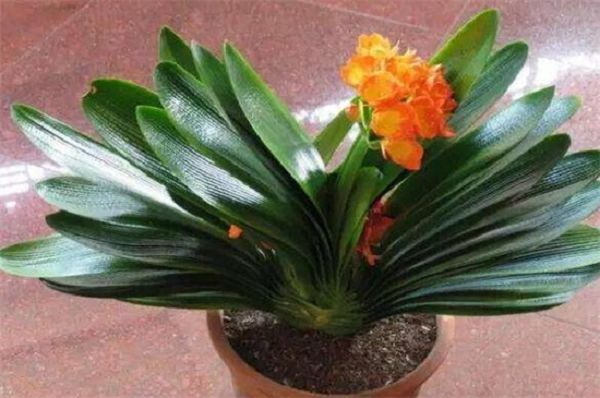
Clivia is a common potted plant in households, with extremely high ornamental value when in bloom. It generally grows fastest during the winter and spring seasons, which is also the golden growth period for clivia. The flowering period can last about 30 to 50 days. At this time, the temperature should be kept at around 15 to 25°C, and the air humidity should be maintained at around 60 to 80%.
1. Clivia grows fastest in January and February
Clivia is one of the finest potted ornamental plants for home cultivation. It generally blooms mainly in the winter and spring seasons. So when does it grow fastest? It is mainly in January and February that it is in its golden peak growth period, which is also the best time for flowering. The flowering period lasts about 30 to 50 days, with extremely high ornamental value.
2. Winter care tips for clivia 1. Environmental requirements
Winter and spring are the peak growth seasons for clivia. At this time, the temperature should be kept at around 15 to 25°C. After entering autumn, do not rush to move it indoors. It should be left in a low-temperature environment above 5°C for about 10 days. After entering winter, the indoor temperature should not be lower than 5°C, and it should be placed in a spot with direct light for care.
2. Watering and moisture retention
Although winter is when clivia grows fastest, watering should still be controlled. When the weather is relatively dry, you can spray water around it to maintain humidity at around 60 to 80%, so that the leaves retain their original ornamental value. If it drops below 60%, the leaves will lose their luster. Ventilation should also be strengthened to control humidity.
3. Reasonable fertilisation
During the peak growth season of clivia, sufficient nutrients must be provided. At this time, foliar feeding should be the main method, mainly by spraying diluted fertiliser solution onto the leaf surfaces, roughly once every 4 to 6 days. Generally, after entering autumn, fertilisation should mainly consist of decomposed cake fertiliser, and fertilisation should be stopped after flowering.