What are the common causes of calf pneumonia?
Cattle farming is an important livestock project in our country, and beef has high nutritional value and is welcomed by many people. When raising cattle, the rearing of calves is very important. When raising calves, if management is improper, calves are highly prone to many problems, which affects their growth. Pneumonia is one of them, so what are the common causes of calf pneumonia? Below, the editor will give you a brief introduction. Let's take a look!
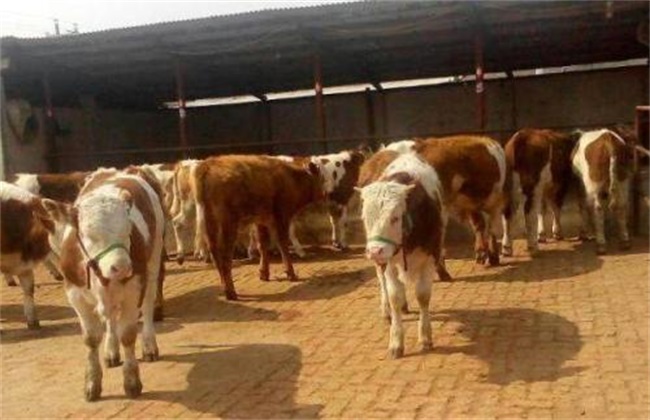
1. Self factors
There are many factors that cause pneumonia, and its causes are relatively complex. It is generally because the respiratory development of calves is not yet fully mature. Because the calf's respiratory tract is relatively delicate, has many blood vessels, and is highly permeable. Moreover, the lymph nodes of the abomasum in the respiratory tract are not fully developed, mucus secretion is low, and in addition the motility of the ciliated epithelium is weak. Therefore, its defense function and ability to clear foreign matter are also relatively poor. In addition, the lung tissue of calves is also very soft, and its neural reflex tissue is weak. As a result, pneumonia occurs very easily, or pneumonia is secondarily induced.
2. Feeding and management factors
Calf pneumonia may also be caused by improper feeding and management. For example, if the feed nutrition is not comprehensive during the late gestation period of the cow, then the calf will have a very weak physique after birth. As a result, its resistance to the external environment is also very poor. Also, during the dry period of the cow, if it lacks nutrients such as carotene and vitamin A. Then the newborn calves produced will also have very weak resistance, making calves highly prone to pneumonia. In addition, if the temperature in the cowshed is too low, humidity is high, light is insufficient, and ventilation is poor, these are all main causes of pneumonia in calves.
3. Pathogenic microorganism factors
During the growth process of calves, if they are infected with some pathogenic microorganisms, they are also prone to secondary pneumonia. For example, common ones include Pasteurella and Diplococcus. These pathogens are all very unfavorable to the growth of calves. Moreover, under normal feeding conditions, even healthy calves without disease originally have some pathogenic microorganisms on their respiratory mucosa. Although these pathogenic microorganisms generally do not cause disease, if management is poor, they will multiply in large numbers. Their toxicity increases, thereby causing pathogenicity and leading to worsening of the condition.
The above is a brief introduction to the common causes of calf pneumonia. There are many factors that cause calf pneumonia, but in many cases it is caused by poor management. Therefore, we should focus on prevention, strengthen management, and reduce the incidence of pneumonia. That is all for today's introduction. This article is for reference only, and we hope it can help everyone!