When is the best time to repot a clivia?
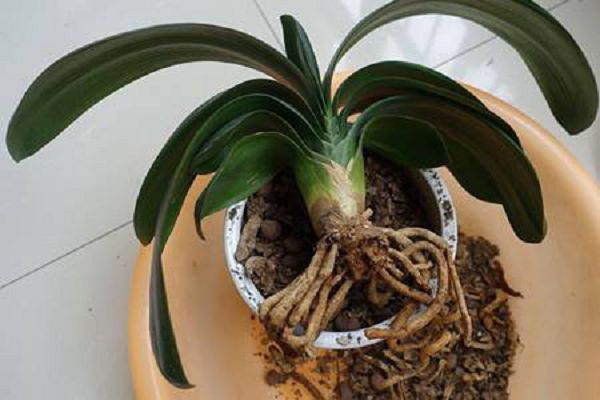
The most suitable times for repotting are April in spring and September in autumn, when the temperature and humidity are very favorable for the plant to recover. When the climate is unstable, wait a while before repotting. When repotting, care should also be taken to prune diseased roots, weak roots and rotten roots, and when potting up, the roots should be brought into better contact with the soil. After repotting, the plant should first be placed in a shady spot and kept out of direct sunlight.
1. The best time to repot
When repotting, you must pay attention to the timing; spring and autumn are the most suitable, as the temperature and humidity in these two seasons are very suitable. After repotting, the plant recovers very well and its normal growth will not be hindered. The exact date is not fixed; generally, April in spring and around September in autumn are best. The climate varies from region to region, so the timing also differs, and you should try to repot when the climate is stable.
2. Points to note
1. During repotting, appropriate pruning should be done, and any roots that are not growing well should be pruned away when repotting. Usually, this mainly means pruning diseased roots, weak roots and some rotten roots.
2. When potting up, the plant's roots should be brought into contact with the soil. If there is no soil around the roots, they cannot properly absorb water and nutrients, which will cause the roots to rot.
3. Right after repotting, the plant needs to be placed in a shady spot and must not be exposed to sunlight immediately. The plant should first be given a period to recover from transplanting, and after about a week it can be grown normally.