What to Do When Orchids Develop Black Spots? Cause Analysis and Prevention Methods
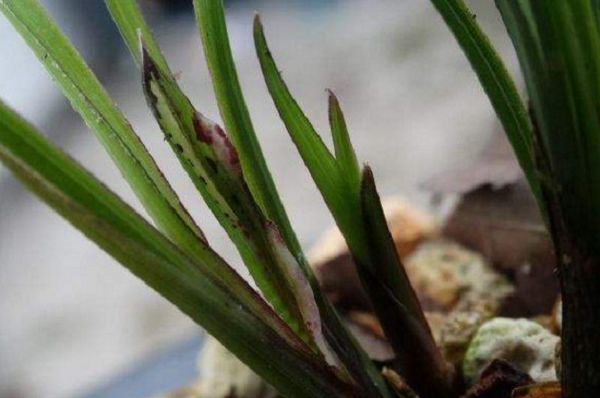
When an orchid develops black spots, it needs to be moved to a ventilated environment, with the temperature kept between 15°C and 30°C; some loose medium can be added to the original soil to increase the soil's looseness and drainage capacity, and waterlogging should not occur; exposure to diffused light can be appropriately increased; if it is affected by anthracnose, thrips, or other pests and diseases, medication is needed for treatment.
Solutions for Orchids with Black Spots 1. Ventilation Treatment
During cultivation, when orchids are grown in a poorly ventilated environment, black spots easily appear on the leaves. At this time, they need to be moved to a well-ventilated environment with the temperature kept between 15°C and 30°C, which can improve the black spots on the leaves.
2. Add Loose Medium
Orchids have relatively high requirements for their growing environment. If waterlogging occurs in daily care, it will affect the leaves' normal absorption of nutrients, and black spots will gradually form. At this time, some loose medium can be added to the garden soil to increase the soil's drainage capacity, and then the frequency of watering should be reduced.
3. Diffused Light Exposure
Orchids like to grow in a semi-shaded environment. If they are placed in a dark environment during the growth stage and lack light for a long time, black spots will appear on the plant's leaves. At this time, some light should be appropriately increased, which can improve the black spots on orchids.
4. Applying Medication
If an orchid is attacked by pests and diseases, its leaves will also turn yellow or black. For example, when infected with anthracnose, thrips, and other pests and diseases, the plant's nutrients will be absorbed by them, gradually forming black spots. At this time, half of the leaves need to be pruned off, and then medication should be sprayed once every week, which can effectively treat black spot disease.