Correct Methods and Key Operation Points for Artificial Feeding of Lambs
Sheep farming is very common in China, and mutton has very high nutritional value, so it is also welcomed by many people. When raising sheep, the rearing of lambs is extremely important. This is especially true for the nursing work. During rearing, if the ewe has sufficient milk, then that is naturally good. But if the milk supply is insufficient, then we need to do a good job of artificial feeding. So today the editor brings you the methods for artificial feeding of lambs. Let's take a look below!
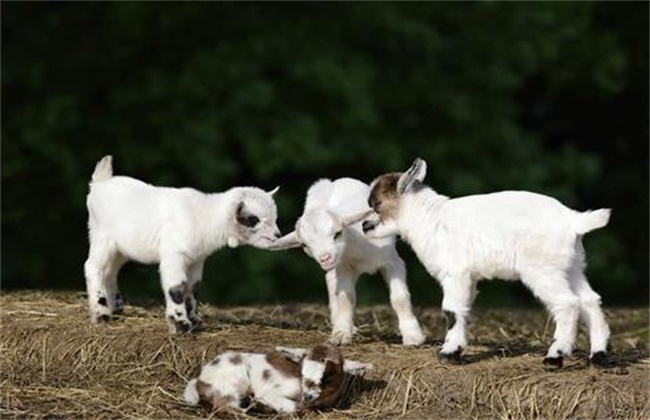
1. Feeding Bottle Milk-Drinking Method
When we carry out artificial feeding of lambs, we can make a feeding bottle ourselves. Put the milk into the feeding bottle, then first coat the nipple area with a layer of milk, and then put it directly into the lamb's mouth. This requires training, and it cannot be done in just one time. Pay attention to training several more times so that the lamb learns to suckle as soon as possible. Then for newborn lambs born later, lambs that have already learned to use the feeding bottle can be used to guide their training, which can also help them quickly learn how to use the feeding bottle.
2. Box-Drinking Method
Then there is the box-drinking method. The box-drinking method mainly uses a small box. First put the milk or milk replacer into the small box and let the lamb drink on its own. At the very beginning, we can first feed manually. Cut the fingernails of the rearing staff, file them smooth and wash them clean, then dip the index finger or middle finger in milk and let the lamb suck. Then slowly guide the lamb to drink from the milk box. As with the feeding bottle milk-drinking method, as long as you maintain enough patience and train several more times, the lamb can then drink the milk in the box on its own.
3. Precautions
When artificially feeding lambs, pay attention to strictly controlling the time. Feed according to the feeding sequence, one after another. At the very beginning, feed about once every three hours or so, about 5 times a day. Then as the lamb's age in days increases, the number of feedings can be appropriately reduced and the feeding amount increased. Then also pay attention to controlling the feeding amount well and maintain an appropriate amount of milk. Usually each lamb is fed about 250g each time, and then as the lamb grows bigger, appropriately increase the feeding amount. Generally, when the lamb reaches 40 days of age, this is the peak period, and then it should be appropriately reduced.
We should also pay attention to keeping the milk given to the lambs fresh enough. When heating and distributing the milk, pay attention to stirring thoroughly to ensure the butterfat is evenly distributed. The temperature of the milk should be maintained at about 40 degrees. It must not be too low. If it is too low, it can easily cause gastrointestinal diseases in lambs, while if it is too high, it will affect feeding. Finally, pay attention to keeping the drinking utensils clean and hygienic. Disinfect them regularly, and pay attention to wiping the mouth after feeding. Carry out isolated rearing to avoid mutual infection and the occurrence of disease.
The above is a brief introduction to the artificial feeding methods for lambs. That is all for today's introduction. This article is for reference only, and I hope it can help everyone!