Detailed Explanation of Key Points of Pollution-Free Beef Cattle Farming Technology
Beef cattle farming is very common in China, and beef can be said to be a meat product second only to pork, and it is very popular in China. However, beef cattle farming today is mainly based on pollution-free and contamination-free farming. Pollution-free farming can not only improve the growth capacity and quality of beef cattle, but also cause no pollution to the environment. So how should beef cattle be farmed in a pollution-free way? Today, the editor brings you the pollution-free beef cattle farming technology. Let's take a look below!
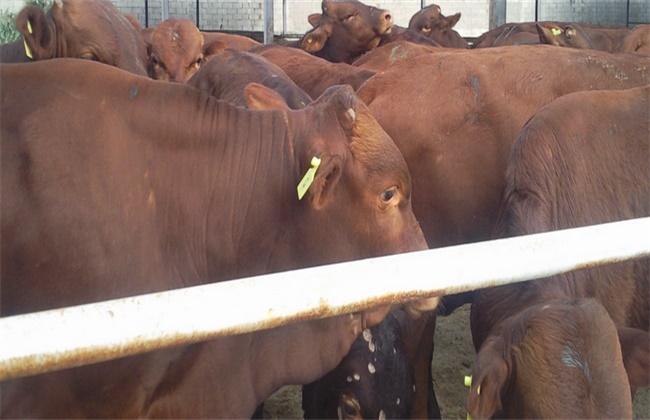
1. Construction of cattle sheds
Before carrying out pollution-free beef cattle farming, we must first pay attention to building the cattle sheds well. The site of the cattle shed should be chosen in a place with high terrain, dryness, shelter from wind and facing the sun, and with sufficient water sources around. Before construction, the soil should also be turned over and disinfected to avoid bacterial growth affecting the growth of beef cattle. The cattle shed should mainly be a flat dry shed, and must ensure various rearing areas such as cattle beds and exercise yards. Then feed troughs and water troughs should be set up in front of the cattle shed. At the same time, drainage and sewage ditches should also be built around it. Let the excrement produced by the beef cattle enter the biogas digester directly for harmless treatment.
2. Feed use
When feeding beef cattle, the use of feed is also very critical. The roughage for beef cattle includes various feeds such as pasture, agricultural by-products, and green feed. Roughage should be produced in pollution-free food production areas, and pesticide residues must not exceed the standard. Feed that is contaminated, moldy and deteriorated, or has an off odor must not be fed. For the use of various compound feeds, they should be supplied by dealers and suppliers from the relevant local departments. Then the feed raw materials should also maintain freshness, and those exceeding the shelf life must not be used. Then feed additives should also be used reasonably, and animal-derived feed must not be used. Finally, control the use of trace element additives well to avoid excessive methane and pollution to the environment.
3. Disease prevention and control
We must also do a good job in the disease prevention and control of beef cattle. According to regulations, we should focus on prevention, establish a biosafety system, and avoid death of beef cattle due to disease. Reduce the use of chemical drugs as much as possible. Also, according to local actual conditions, do a good job in disease vaccination, select the corresponding vaccines, and carry out immunization strictly according to the immunization procedures and immunization methods. Then we must also regularly deworm the beef cattle. The water troughs and feed troughs in the cattle shed should also be cleaned and disinfected regularly to prevent bacterial growth. Disinfectants such as peracetic acid can be used to ensure the healthy growth of beef cattle.
4. Feeding management
When raising beef cattle, we should also reasonably formulate feed according to the different growth stages of beef cattle to ensure that the beef cattle have sufficient nutrition for growth. When feeding beef cattle feed, feed according to the system, and there should be no phenomena such as piled-up troughs or empty troughs, and moldy and deteriorated feed must not be fed. We should also ensure sufficient clean drinking water, do a good job in the breeding of beef cattle, and at the same time pay attention to recording the calving and breeding records of beef cattle. Also, various production tasks such as the actual growth situation of beef cattle and feed consumption should be recorded well.
The above is a brief introduction to pollution-free beef cattle farming technology. That's all for today's introduction. This article is for reference only, and I hope it can help everyone!