How to make your own fertilizer for clivia? Five simple methods you'll grasp at a glance
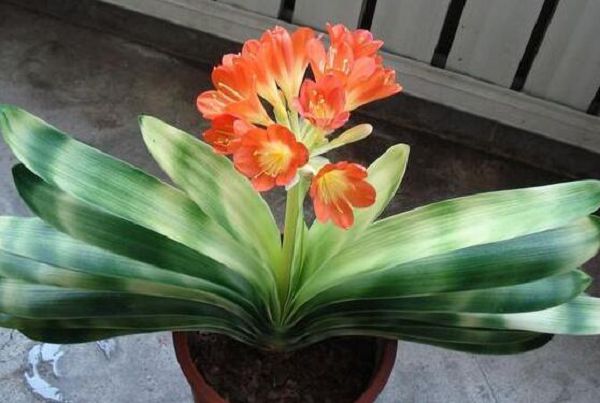
Clivia is a plant with very high ornamental value. Not only are its flowers graceful and elegantly beautiful, but it can also absorb harmful gases, reduce noise, and kill bacteria, creating a comfortable living environment. In many of our homes where clivia is grown, it needs to be fertilized. So how do you make your own clivia fertilizer? Below, the editor will explain the homemade fertilizer methods for clivia.
Homemade fertilizer methods for clivia
1. Compost tea fertilizer
First, we can prepare some worm-eaten or moldy beans, melon seeds, and so on. Then put some leftovers, melon and fruit peels, pigeon droppings, expired milk powder, and so on together, crush them, and finally place them in a jar.
Fill the jar with water and seal it to ferment. Maintain suitable light and temperature, and wait until all the material in the jar has settled, the water has turned black, and there is no foul smell, which indicates it has finished fermenting. Finally, the upper liquid can be taken out and used as a base fertilizer.
2. Medicinal residue fertilizer
The leftover residue after decocting medicine is a very good fertilizer. The minerals, organic matter, and inorganic substances it contains include the nitrogen, phosphorus, and potassium fertilizers the plant needs. In addition, garden soil can be added, and after the medicinal residue rots and becomes humus, it can be used.
3. Eggshell fertilizer
We can prepare several eggs, rinse off the egg white inside, then put them in the sun to dry, and then crush them into powder. One part eggshell powder plus three parts potting soil can be used directly to grow clivia.
4. Beer fertilizer
Because beer contains a large amount of carbon dioxide, which is an indispensable substance for plant metabolism, and because beer contains nutrients such as sugar, protein, amino acids, and phosphate, it helps the plant grow.
5. Fruit peel fertilizer
We can mix some fruit peels, such as watermelon rind, apple peel, banana peel, and so on, together with garden soil, pile them up to rot, and then use them. Note that they must not be directly spread on the flower pot, so as to avoid air pollution.