How to deal with rotten leaves on clivia? Learning these few steps is enough
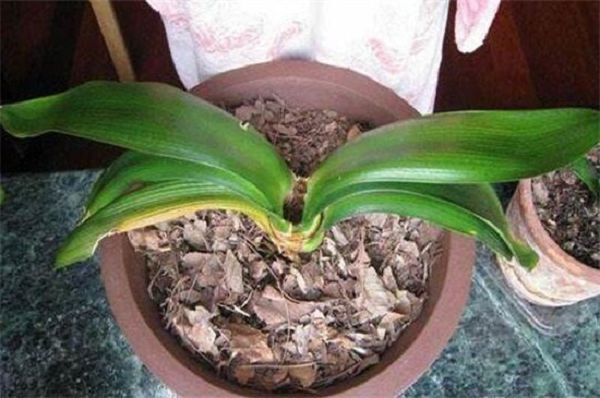
Clivia is a common household potted plant nowadays. When rotten leaves appear, they must be dealt with in time. If the soil is unsuitable, prepare a sandy soil again; if there is too much light, maintain a bright, indirect environment; if there is too much water, drain it and keep the soil moist; if the temperature is too high, take cooling and warming measures.
1. Repot with new soil
Clivia is a common household potted plant nowadays. It is not only highly ornamental but also does a good job of purifying indoor air. So when doing your best, you should first prepare new soil. It is best to use leaf mold, river sand and coal cinders mixed in a 3:1:1 ratio, then place some small stones at the bottom for the best result.
2. Reduce light. Since clivia does not have very high light requirements, about 4 to 5 hours of light per day is enough. If strong direct sunlight or long periods of exposure cause the leaves to be unable to carry out effective photosynthesis, resulting in rotten, withered leaves, it is best to promptly cut off the rotten leaves and keep the plant in a well-ventilated environment with bright, indirect light for care.
3. Reduce water. Because the roots of the clivia plant are fleshy roots that contain a large amount of water, there is no need to water frequently when caring for clivia. If too much water causes waterlogging in the potting soil and thus root rot, stop watering in time. For routine care, stick to the watering principle of watering when dry, keeping the potting soil moist.
4. Reduce fertilizing
If the fertilizer is too much or too concentrated, it can also cause root burn in the plant, so the leaves cannot absorb nutrients and rotten leaves appear. When this happens, reduce fertilizing in time. It is best to apply a dilute fertilizer solution once a month, then water in a small amount of water to mix it.
5. Cooling and warming. The growth of clivia is best kept at a temperature of around 18°C to 28°C. If in midsummer when the temperature is above 30°C, the leaves of the plant evaporate water quickly, affecting the leaves' photosynthesis and causing rotten leaves, it is best to place it in a shady spot or spray water mist on the leaves to increase humidity. In winter, place it indoors to raise the temperature and protect it from the cold.
6. Pest and disease prevention
If clivia suffers from pests and diseases during its growth, it can also lead to rotten leaves. This is because pests mainly suck the sap from the leaves or stems, causing poor leaf growth and rotten, withered leaves. It is best to disinfect the potting soil at irregular intervals, then spray pesticide in time, cut off branches affected by pests and diseases, and strengthen air circulation.