How to deal with rust spot disease in clivia? Solve it in three steps: fertilizing, applying medicine, and changing the potting soil
Clivia has the gentlemanly demeanor of a junzi and the elegance of an orchid. It is an ornamental plant, suitable for placement on a balcony with plenty of sunlight. With proper watering and reasonable fertilization, it can be grown very well. If watered too much, or fertilized improperly or unevenly, rust spot disease will occur. Rust spot disease is mainly a pest and disease problem that causes rust-like spots on the middle part of the leaves, and gardening enthusiasts find it rather tricky to deal with. How to deal with rust spot disease in clivia?
I. Treatment methods for rust spot disease in clivia 1. Apply more fertilizer
Clivia is a fertilizer-loving plant, and fertilization is divided into two types: root fertilization and foliar spraying. Rust spot disease in clivia may be caused by a deficiency of phosphorus and potassium fertilizer; when rust spot disease appears, it can be removed by increasing foliar fertilization, spraying liquid fertilizer of phosphorus and potassium, once every 4 to 6 days.
2. Change the soil
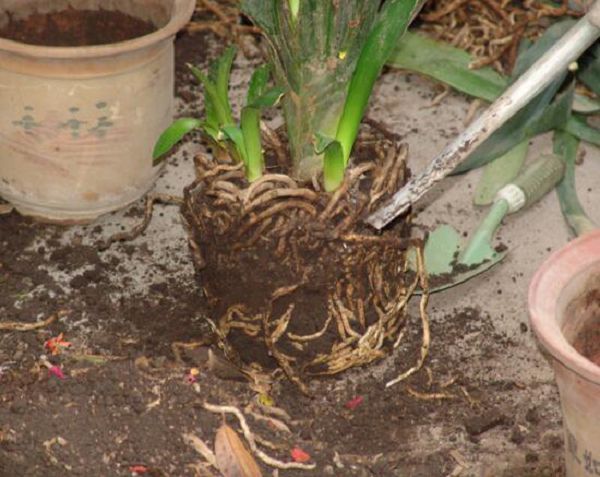
When rust spot disease occurs in clivia, replace the potting soil in time. When changing the soil, wash the entire plant, remove the leaves that have already rotted, keep the branches and leaves with slight rust spot disease, and after drying, replant them in a new pot. Apply chlorothalonil or thiophanate-methyl to the diseased leaves until the leaves recover.
3. Spray fungicide ⟧9⟧If the rust spot disease in clivia is not particularly serious, it can be removed by spraying fungicide. Spray diluted fungicide on the leaves once every half month to treat the diseased leaves and at the same time prevent other leaves from being infected.
If the clivia (Clivia miniata) is not suffering from rust spot disease too severely, it can be eliminated by spraying with fungicide. Every half a month, spray diluted fungicide on the leaves to treat the affected leaves and at the same time prevent other leaves from being infected.
II. Causes of rust spot disease in clivia
Clivia has a very long lifespan. Generally, if pests and diseases occur, timely treatment is enough. The most common problem in clivia is rust spot disease. If rust spot disease occurs, please read carefully: how to deal with rust spot disease in clivia, and understand the causes of rust spot disease in clivia so as to prevent it well.
1. Applying the wrong fertilizer
Clivia likes fertile soil, so reasonable fertilization should be paid attention to throughout the entire growth process, and the fertilizer applied must be decomposed liquid fertilizer. If unfermented fertilizer or incompletely fermented fertilizer is used, the massive reproduction of pathogens will lead to rust spot disease.
2. Unsuitable potting soil
Clivia is normally repotted once every 2 to 3 years, and under special circumstances it also needs repotting or changing the soil. If the pot is not changed for a long time, the soil becomes poor and rust spot disease can occur; in addition, choosing raw soil for the potting soil or damaging the roots of clivia when changing the soil can also lead to rust spot disease.
3. Uneven fertilization
For the base fertilizer of clivia, poultry and livestock manure or human excrement is generally used, and during the growth process, cake fertilizer or fish and bone meal fertilizer is generally used; normally, decomposed liquid fertilizer and phosphorus and potassium fertilizer should be sprayed. If fertilizer is only applied to the soil for a long time and no fertilizer is sprayed on the leaves, fertilization will be uneven, causing rust spot disease.
III. Cultivation methods for clivia 1. Proper watering
Watering clivia depends on the texture of the potting soil. If the soil is loose, breathable, and well-draining, watering once every 3 to 5 days is enough; if it is heavy clay soil, watering once every 1 to 2 weeks is fine. Too much water will cause root rot, and too little water will cause hollow roots and yellow leaves. It is best to water after the soil has dried, and do not water too much at one time.
2. Sufficient light
Clivia likes a warm environment and light. Throughout the four seasons, except in summer when the sunlight is too strong and it needs to be placed in a shaded position, it can be placed on a sunny balcony in the other seasons. Sunlight helps the leaves of clivia carry out photosynthesis. Note that every so often, rotate the flowerpot 180 degrees so that both sides receive sunlight.
3. Reasonable fertilization
Clivia is generally repotted in spring and autumn. When repotting, place decomposed base fertilizer at the bottom; bean dregs and bone meal are both fine. Clivia likes fertilizer, so apply well-fermented soybean cake or fishy water fertilizer once every half month; in winter, when the temperature is below 10°C, clivia stops growing, and at this time do not fertilize.