Causes and Solutions for Wilted Leaves on the Mock Lime (Aglaia odorata)
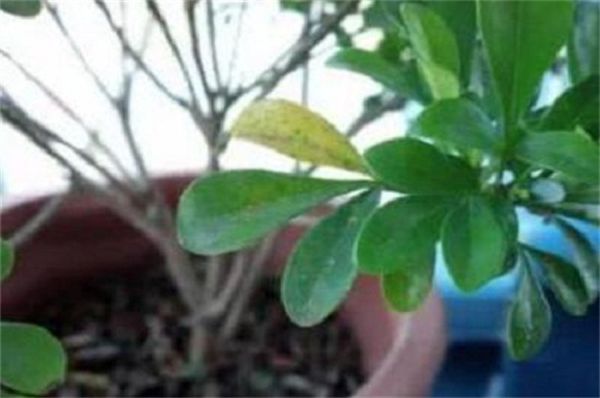
When the leaves of the mock lime wilt, they should be treated according to several causes. If there is too much water, reduce watering promptly and improve ventilation, then water thoroughly each time afterward and avoid waterlogging. If fertilizing is improper, follow the principle of small amounts applied frequently, and avoid getting fertilizer on the leaves when feeding. If there is too little light, move the plant to a spot with diffused light so it gets more sun, in order to promote photosynthesis in the branches and leaves.
Treatment Methods for Wilted Leaves on the Mock Lime 1. Reduce Watering
The mock lime is a moisture-loving plant, but it fears waterlogging. If it is often overwatered during the growing period, the roots cannot breathe and the leaves will wilt, droop and soften. In that case, watering should be controlled promptly, the soil loosened, and the plant placed in a ventilated spot. Afterward, water in the way that is best: water when the soil is dry and hold back when it is wet.
2. Fertilize Reasonably
The mock lime has certain requirements during its growing period. If fertilizer is insufficient during growth, or if fertilizer touches the leaves when applied, the leaves can easily turn yellow and wilt. At this point, promptly water in a dilute compound fertilizer once, loosen the soil after fertilizing, mainly watering along the root zone, and afterward fertilize in small amounts applied frequently.
3. Increase Light
The mock lime likes to grow in an environment with plenty of sunlight. If it is placed indoors in too dark a spot, its growth and development will be affected, and the leaves will wilt and wither as well. At this point, move the plant to a spot with diffused light and let it receive more light; move it indoors during the strong midday sun, in order to promote photosynthesis in the branches and leaves.
4. Disease and Pest Prevention
During its growing period, the mock lime is susceptible to leaf spot disease, scale insects, red spider mites and other problems. Once the disease takes hold, the leaves on the plant will gradually wilt and wither. It is best to cut off the diseased leaves when the disease occurs, improve ventilation, and spray a mixed solution of plant ash and superphosphate once every 10 days to protect the growth of the branches and leaves.