How to Deal with Root Rot in Narcissus? A Few Practical Solutions
Narcissus is very common in our daily lives, and its ornamental value is very high. As a potted plant, it is very popular in our country, so the cultivation area of narcissus is also relatively large. However, when growing narcissus, many problems often arise that affect its growth. One of them is root rot in narcissus. So how should root rot in narcissus be dealt with? Below, the editor will give you a brief introduction. Let's take a look!
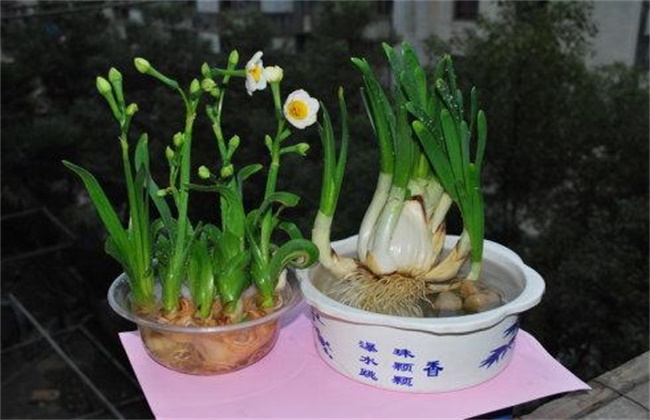
I. Root Rot in Soil Culture
1. Pruning the Rotten Roots
When root rot occurs in narcissus, whether in water culture or soil culture, be sure to promptly cut off the rotten roots to prevent the rot from spreading too much. When pruning, we must also be careful not to damage the healthy roots. After pruning, wrap them up to prevent the wounds from touching water and becoming infected, thus preventing a secondary infection. In addition, we should wait until the wounds have dried before putting the plant back into the pot and soil.
2. Temperature Control
Narcissus has very strict temperature requirements during its growth process and is very sensitive to temperature changes. If the temperature is too high during care, the plant will produce too many leaves, leading to poor ventilation. Nutrients will all be taken up by the stems and leaves, affecting the growth of the narcissus and causing root rot. Therefore, be sure to control the temperature well, especially in summer, keeping the temperature below 25 degrees.
3. Light Adjustment
Narcissus also has a relatively high demand for water during its growth process. During cultivation, we should pay attention to creating a good light environment for it. If there is insufficient light during the growth process, it will have a great impact on the growth of the narcissus. The leaves are also very likely to become garlic-like leaves, which can lead to root rot in narcissus.
II. Root Rot in Water Culture
When growing narcissus in water, if root rot occurs, then first, just as with soil culture, promptly pick out the rotten root parts and cut them off. At the same time, when putting it back into the water, be careful not to let the wounds come into direct contact with water, to avoid wound infection and secondary rot. When growing in water, we need to do a good job of changing the water. If the water quality is poor, it can easily cause the narcissus to become infected with bacteria. So be sure to change the water frequently, maintain water quality, and prevent impurities from forming, avoiding root rot in narcissus caused by poor water quality.
The above is a brief introduction to how to deal with root rot in narcissus. That's all for today's introduction. This article is for reference only, and we hope it can help everyone!