What are the farming risks of raising chickens in woodland? Farmers need to guard against them in advance
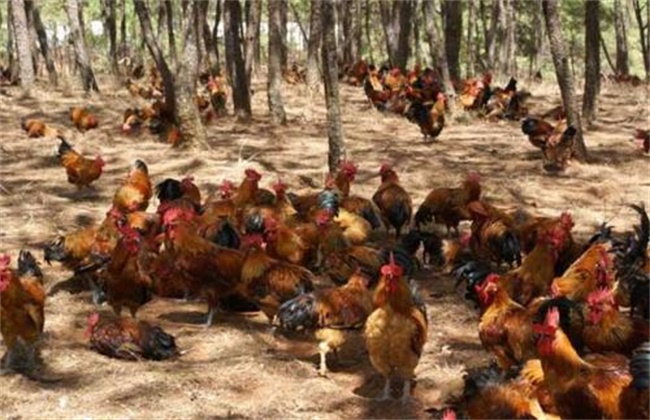
Raising chickens in woodland is very popular in our country now, and raising chickens in woodland is entirely an ecological farming model. It is not only very beneficial to the growth of chickens, but can also achieve the goal of being ecological and pollution-free. Moreover, it can effectively reduce ecological pollution, and the manure produced by the chickens can also serve as fertilizer for the plants in the woodland. However, raising chickens in woodland also carries certain risks, so below the editor has brought you the farming risks of raising chickens in woodland. Let's take a look!
1. High incidence of parasites
When we carry out large-scale chicken farming in woodland, we generally put in chicks in batches. And if the chicks are of different ages in days, then their own ability to resist diseases will also differ. So some adult chickens that carry viruses or have already developed diseases are very likely to transmit the viruses to the chicks. In addition, in the woodland, the range of activity of the chickens is very large, and the manure produced by the chickens can easily be scattered throughout the woodland. This makes the flock prone to diseases such as ascariasis and coccidiosis, so this is also one of the main risks of raising chickens in woodland.
2. Prone to nutritional diseases
When raising chickens in woodland, most of it is based on grazing and free-range rearing. About two supplementary feedings are needed each day, but the amount of supplementary feeding is not very large. In addition, as the chickens continue to grow, the insects and weeds in the woodland will be eaten less and less by the chickens. At this time, if the previous feeding method is still used, then it will certainly cause the chickens to lack some nutrients, leading to undesirable phenomena such as feather loss andrandom pecking. This lowers the appearance value of the chickens, causes their market price to drop, and their benefits will certainly be greatly affected.
3. Management is relatively difficult
Compared with barn feeding, the management work of raising chickens in woodland is certainly more difficult. Because the area of the woodland is relatively large, the chickens easily wander around, and the keepers cannot promptly check the movements of all the chickens. Moreover, if the training work is not done well, then when returning to the pen every evening, it is very easy for chickens to be lost. And in the woodland, it is also unavoidable that there will be natural enemies of the chickens, such as snakes, eagles, and so on. These creatures will create great hidden dangers to the survival of the chickens, so everyone must pay more attention.
4. Preventive measures
If we want to avoid these risks, then we must focus on prevention. We should base this on the actual situation and carry out targeted disease prevention measures to reduce the incidence of disease. Choose chicken breeds that are healthy, highly adaptable, and free of disease. Then set up good isolation zones from the outside to prevent disease transmission and the invasion of natural enemies. At the same time, do a good job in management, pay attention to weather changes, strengthen training, and ensure they can be recalled in time. When using medication, pay attention to the dosage and toxicity of the drugs to avoid drug residues. At the same time, do a good job in supplementary feeding to prevent a shortage of natural feed in the woodland.
The above is a brief introduction to the farming risks of raising chickens in woodland. That is all for today's introduction. This article is for reference only, and I hope it can be helpful to everyone!