Issues to Note and Solutions for Raising Chickens in Woodland
Raising chickens in woodland is now one of the main chicken-raising models. Woodland chicken raising is highly beneficial both for the growth of the chickens and for the protection of the ecological environment. Therefore, many places now focus mainly on woodland chicken raising. However, when raising chickens in woodland, there are many points that require our close attention. So what issues should be noted when raising chickens in woodland? Below, the editor gives you a brief introduction. Let's take a look together!
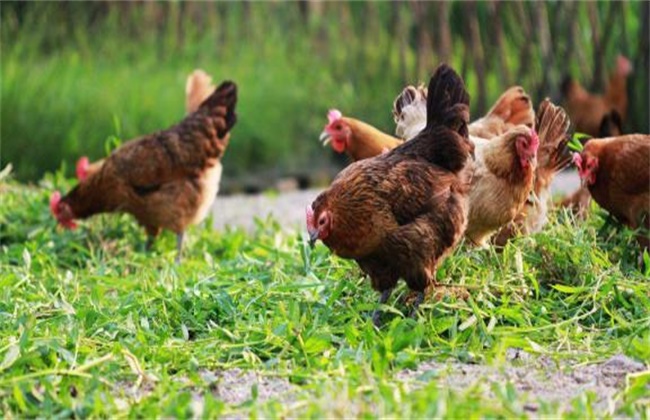
1. Grazing time
When raising chickens in woodland, we need to train the chickens well. Because woodland chicken raising keeps the chickens completely outdoors, the outdoor environment has a very large impact on the growth of the chickens. So we should pay attention to reasonably choosing the release time according to climate changes. Generally it is from May to October, when the temperature is relatively high and the difference between day and night temperatures is not great. The chickens also adapt easily to changes in the external environment, and at this time there is a relatively large amount of tender grass, as well as various leaves and insects, which is very beneficial for the chickens' feeding and can speed up their growth rate.
2. Proper training
When raising chickens in woodland, during the brooding period, we should pay attention to properly feeding some green vegetable leaves to train the chicks' ability to eat and digest roughage. When the chicks are about one month old, they are gradually taken off heat, and at this point woodland free-range raising can begin. First choose a sunny day and place the flock on open ground. Then train them to expand the flock's range of activity, until the flock can move freely. At the same time, in daily life, the flock should also be trained to come when called, so that the chickens form a conditioned reflex. This ensures that the flock can be quickly recalled when bad weather occurs.
3. Reasonable supplementary feeding
When raising chickens in woodland, although the chickens can find feed on their own outside, we still need to pay attention to doing supplementary feeding well. However, after the chickens are released into the woodland for raising, we can appropriately and gradually reduce the amount of feed given. After about 7 days of free-range raising, they should be supplementarily fed about twice a day, in the morning and evening respectively. Then after one month of free-range raising, it is enough to provide supplementary feed in the evening after the chickens return to the coop. During the entire free-range period of the flock, attention should also be paid to providing them with sufficient drinking water.
The above is a brief introduction to the issues to note when raising chickens in woodland. In addition to the above points, there are many other areas that require our attention. For example, all-in-all-out raising, rotational woodland grazing, and so on. These are all key measures for woodland chicken raising, and they are also things we need to focus on. That is all for today's introduction. This article is for reference only, and we hope it can help everyone!