What are the methods for adjusting laying hen feed in spring?
As temperatures rise, the key to raising chickens in spring is to ensure that laying hens achieve better economic returns after entering the peak laying period, so at this time farmers need to adjust the proportion of nutritional components in the feed so that the laying hens have sufficient nutrition for egg production. So how should laying hen feed be adjusted in spring? Let's take a look together.
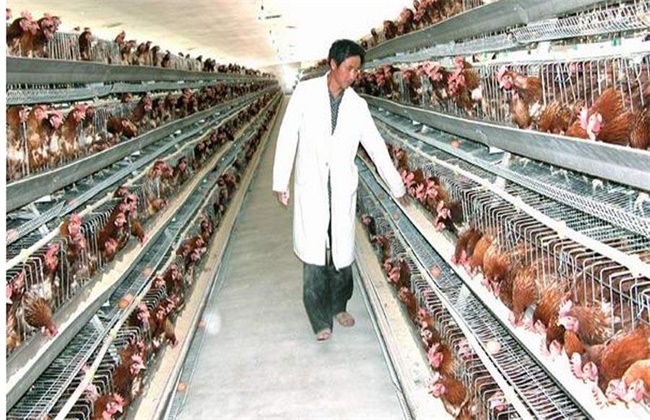
1. Feed selection
At this time, most of the feed chosen by many farmers is what was harvested and stored last year. Although the low temperatures mean mold is unlikely, poor storage methods, combined with the relatively high moisture content of the raw materials at harvest, make it very prone to absorbing moisture once temperatures rise, allowing microorganisms to multiply rapidly, which easily causes the loss of nutrients and is not conducive to the growth and development of laying hens. Therefore, when selecting raw materials for spring feed, extra care must be taken not to choose moldy ones, and to choose those that are dry with bright colors as much as possible.
2. Ingredient adjustment
First, reduce the use of energy feed. Chickens, like all poultry, can regulate their own feed intake according to the energy level of the feed. Laying hens consume a great deal of protein during egg production, so the proportion of protein in the feed should be increased, and at the same time, as the laying rate declines, the protein proportion should also be reduced accordingly. Laying hens also have a relatively high demand for calcium during egg production. If the feed is deficient in calcium, the quality of the eggshell will be affected, often resulting in soft-shelled eggs and shell-less eggs, so during the peak laying period the mineral content of the feed should be increased. As the laying rate of the hens rises, their demand for vitamins also increases, so vitamins should be appropriately increased.
3. Treat them separately
For new hens, because they bear the needs of both egg production and growth, their energy consumption is greater, so their body condition is relatively poor. Feeding management should be strengthened, more carbohydrate feed should be given, and attention should be paid to supplementing bone meal, shell powder, stone powder, and green juicy feed to meet their needs for recovery of egg production. Old hens, however, have already molted in the previous autumn and winter, so their body condition is better, and in spring they begin laying heavily; at this time they should be allowed to eat their fill and drink well, giving full play to their productivity. When feeding, give more protein feed such as fish meal and soybean cake, and give less energy feed such as corn and sorghum that easily puts on fat.
The above is an introduction to how laying hen feed should be adjusted in spring. We hope it can help you. To learn more related knowledge, please stay tuned to us.