How to Raise Goslings So They Don't Die? Methods to Improve the Survival Rate
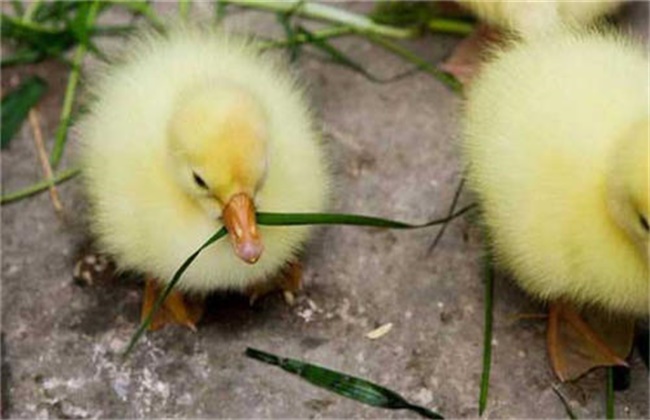
After hatching, the gosling stage is a critical period. It can be said that this is the most fragile stage for geese, and if protection is not done well, death will be very common. During this stage, gosling deaths are mainly caused by the following factors. Let's take a look below and see how to raise goslings so they don't die.
1. Inject vaccines in time
Goslings basically have no disease resistance of their own, and their defense against certain diseases mainly depends on vaccination, especially for artificially hatched ones. If the vaccine is injected relatively late, the blank period in between will be longer, and the mortality rate will rise. When injecting vaccines here, you must proceed according to the actual situation, choosing vaccines for the diseases most common in your local area, or following a veterinarian's recommendation, because some vaccines conflict with each other, so you should first inject the one for the most likely disease.
2. Control the temperature well
Goslings have very sparse down, and their own temperature balance system is very poor, so they are easily affected by external temperatures. Even a slight temperature fluctuation may cause major problems, so the temperature must be controlled well here. For goslings, even simple diarrhea may lead to death, because it is very difficult for them to recover on their own. The temperature control here is mainly aimed at the goslings' activity area; at this time, the geese are basically not allowed to go outside to move around.
3. Strengthen hygiene and cleaning
Hygiene is always one of the key factors that induce disease in geese, and goslings are even more susceptible to disease. The feed, feces, and so on can all become sources of bacteria. Combined with the bacteria they carry themselves, the probability of goslings getting sick rises quite noticeably, so hygiene and cleaning are very important. If the hatching time is relatively short, it is best to disinfect in advance to avoid the residue of bacteria from previous rearing. During rearing, try not to disinfect, because it will affect the goslings. Clean up hygiene once every 1-2 days to avoid accumulation.
4. Don't rush to let them into the water
Getting goslings into water is something farmers pay relatively close attention to. Many people think that the earlier goslings enter the water, the better, but this is actually wrong. This timing still depends on the goslings' own condition. Stronger ones can enter the water earlier, while weaker ones can appropriately be delayed. Don't rush to let them into the water. In addition, you should also consider the weather conditions and let them enter the water when the temperature is high, so they are less likely to get frostbitten and thus die.
The above are some of the factors that easily lead to death when raising goslings. Farmers should make improvements according to these situations to avoid unnecessary losses.