Why do gardenia leaves turn yellow in winter
Gardenia is a very common flowering plant in our daily life, and it is grown on a very large scale in China. However, when growing gardenias, many problems often arise that affect their growth. Especially in winter, gardenias are very prone to yellowing leaves. So what causes gardenia leaves to turn yellow in winter? Below, the editor will give you a brief introduction. Let's take a look!
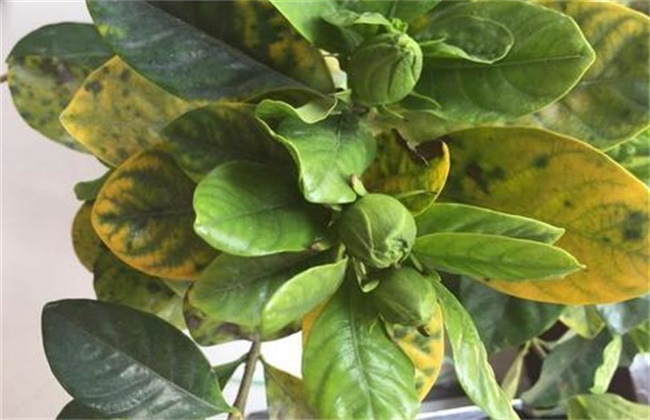
1. Temperature too low
Too low a temperature is one of the main reasons gardenia leaves turn yellow in winter. This is because in winter, temperatures are generally quite low. If the winter temperature drops below 5°C, gardenia leaves are highly susceptible to cold damage, making yellow leaves likely, and in severe cases this can cause frost injury or even death. So when growing gardenias in winter, if the temperature for outdoor growing is below 5°C, then insulation work must be done promptly. You can move it indoors to grow, or cover it with a plastic bag, then open it at noon each day for ventilation.
2. Overwatering
In winter, because the temperature is relatively low, the evaporation rate of water in the soil is also relatively slow. If you still water according to the previous watering frequency, then because the soil moisture evaporates too slowly, water will accumulate in the soil. This causes the roots to be waterlogged and rot, leading to yellowing of the plant's leaves. So when the winter temperature is low, we should pay attention to controlling watering and appropriately extend the watering interval. Water only when the soil is very dry. You can also insert a bamboo stick into the soil; if the bamboo stick comes out dry when pulled out, then you can water.
3. Lack of light
Natural light in winter is relatively short, and the light intensity is not very strong either. Gardenia's growth has a relatively large demand for light, so in winter, if the gardenia is kept in a weak-light, dark environment for a long time, it will have a very large impact on its growth, causing the gardenia leaves to turn yellow. Winter sunlight is generally quite mild, so we can let the gardenia receive direct sunlight to promote nutrient accumulation. If natural light is insufficient, then we need to do a good job of artificial supplemental lighting.
4. Improper fertilizing
In winter, because of the low-temperature environment, the gardenia plant generally enters a dormant period. When the gardenia enters dormancy, its ability to absorb fertilizer is relatively weak, so we must not fertilize randomly in winter. If fertilizing is improper, the gardenia plant cannot absorb it effectively, and fertilizer damage is also likely, causing yellow leaves. So in winter it is best not to fertilize, to ensure the gardenia safely overwinters. Wait until the spring of the following year, then appropriately apply alum fertilizer water to supplement nutrients.
The above is a brief introduction to why gardenia leaves turn yellow in winter. That's all for today's introduction. This article is for reference only, and I hope it can be helpful to everyone!