A Detailed Explanation of the Correct Methods for Vaccinating Pigs
Pig farming is the most common practice in our daily lives, and the daily sales volume of pork is extremely large, with its market demand also being the greatest. Therefore, the scale of pig farming is now also the largest. When raising pigs, we need to do a good job of vaccination work, and only by doing vaccination work well can we ensure the normal growth of pigs. When vaccinating, we need to pay attention to the vaccination methods, so today the editor has brought you the methods for vaccinating pigs. Let's take a look below!
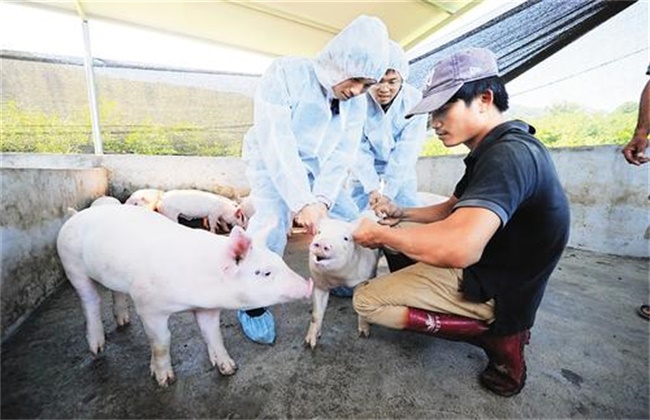
1. Subcutaneous injection
Subcutaneous injection is now a commonly used method for vaccinating pigs, and most vaccines are administered through subcutaneous injection for immunization. Subcutaneous injection mainly involves injecting the vaccine into the subcutaneous tissue of the pig. Then the capillaries in the pig's subcutaneous tissue absorb it into the blood, and through blood circulation it reaches the lymphatic tissue, causing the pig to produce an immune response. When performing subcutaneous injection, the site is mostly under the skin at the base of the ear. However, it should be noted that absorption by subcutaneous tissue is relatively slow, so oil-based vaccines are not suitable for subcutaneous injection.
2. Pre-colostral immunization
Pre-colostral immunization is also a major method of vaccinating pigs. It mainly involves vaccinating piglets when they are nursing colostrum. Pre-colostral immunization is carried out to avoid the vaccine being affected by maternal antibodies, ensuring that the vaccine virus can occupy the target site of virus replication as early as possible. This allows piglets to be stimulated as early as possible and produce basic immunity in the body. Pre-colostral immunization is mainly for inoculating against swine fever vaccine, reducing the harm of swine fever.
3. Intranasal vaccination
Intranasal vaccination is a vaccination method for mucosal immunity in pigs. Because mucosa is the main gateway through which most pathogens invade, and more than 95% of infections are caused by mucosa. Immunizing the mucosa can not only stimulate local immunity in pigs, but also establish the corresponding common mucosal immune system function. This system can recognize antigens inhaled or ingested on the mucosal surface and then make corresponding responses. At present, the more commonly used one is mainly the pseudorabies gene-deleted vaccine.
4. Other methods
Intramuscular injection is also relatively commonly used, which means injecting the vaccine into the muscle, but the length of the injection needle must be ensured so that it can be injected into the muscle. Then there is oral vaccination, but because the temperature and pH of the pig's digestive tract will have a relatively large impact on the vaccine, it is not used much. Then, for the preventive vaccination of swine enzootic pneumonia, it is intratracheal injection and intrapulmonary injection. Finally, there is acupoint injection, which is generally carried out when using vaccines to prevent diarrhea, and its immune response is still quite good.
The above is a brief introduction to pig vaccination methods. That is all for today's introduction. This article is for reference only, and I hope it can help everyone!