Points to Note in Sow Farming: Master These Key Points to Raise Sows Well
Pig farming is very common in our country, and in daily life, pork is one of the most common meat products on our dining tables. Especially during festivals and holidays, the demand becomes even greater. Therefore, the scale of pig farming is still very large nowadays, and when raising pigs, we must first pay attention to raising sows well. When raising sows, there are many areas that require our attention. So today, the editor brings you the points to note for raising sows well. Let's take a look below!
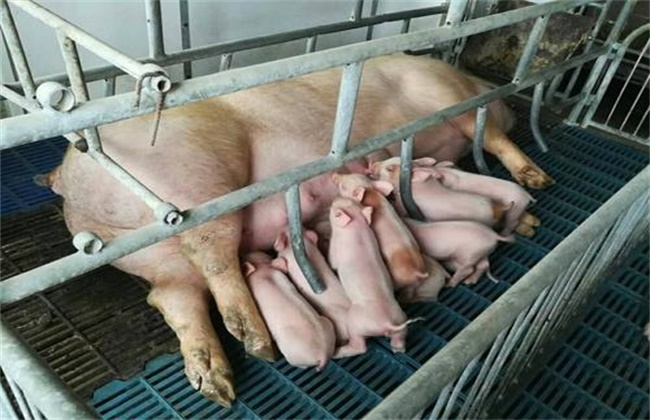
1. Pay attention to reproductive stress
When a sow is pregnant, reproductive stress may occur, which can easily lead to anemia and sinking in the sow, and is very unfavorable to embryo development. So we need to pay attention to supplementing iron, calcium and other elements for the sow. And as the sow's gestational age increases, this phenomenon will become more and more serious, and in severe cases, tissue edema will occur. Especially in the late stages of pregnancy, the fetal pigs grow faster, which can easily compress the intestines and cause the rate of intestinal peristalsis to decrease. This causes a large amount of water in the intestines to be absorbed, leading to hardened feces. Therefore, in the late stages of pregnancy, care should be taken to eat small meals more frequently.
2. Sow constipation
Constipation is also a common problem in sows. If a sow is constipated, it may lead to tissue edema in the sow, and even mastitis, so everyone must pay close attention. When feeding, do not feed low-quality coarse fiber feed, otherwise it will affect gastrointestinal peristalsis, cause food to remain too long, reduce the sow's appetite and absorption capacity, and cause adverse phenomena such as anemia and constipation. In the early stage, constipation can easily cause toxin absorption, affecting embryo development, and in severe cases causing death. Constipation in the later stage will lead to insufficient appetite, nutritional imbalance, difficult labor, and even no milk after delivery.
3. Pay attention to feeding management
The feeding management of sows also requires our close attention. Many people, when raising replacement gilts, choose feed for fattening pigs to feed them. They only focus on the sow's growth rate and ignore the development of the reproductive organs, resulting in poor development of the reproductive organs. Then we must also pay attention to doing a good job in estrus detection for sows to avoid missing the best breeding period, and at the same time focus on short-term flushing. For first-parity and second-parity sows, we must not only meet the application needs for reproductive organ development, but also pay attention to their growth nutrition, especially the supplementation of amino acids and energy.
4. Pay attention to uterine flushing
When raising sows, postpartum health care for sows is very important. Especially when a sow develops endometritis, however, many pig farms generally handle it with methods such as intrauterine infusion, flushing, or inserting medicinal suppositories. But in fact, handling it this way will become more and more troublesome. Because flushing the uterus cannot completely discharge all foreign matter from the sow's uterus. If this method is used improperly, it can also easily damage the endometrium. And it is also prone to residual drugs, thereby affecting the embryo implantation site.
The above is a brief introduction to the points to note for raising sows well. That's all for today's introduction. This article is for reference only, and I hope it can help everyone!