What kind of soil is better for growing clivia?
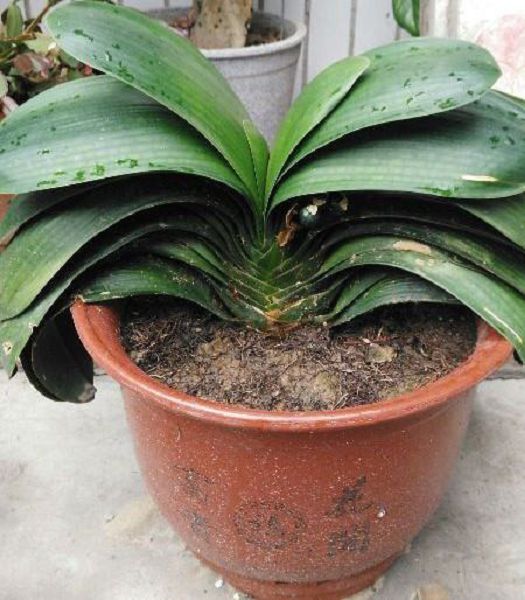
When growing clivia, the choice of soil is actually very important, because soil is the foundation of its growth. So, when growing clivia, what kind of soil is better to choose?
Growing clivia with leaf mold
Leaf mold is a type of soil in high demand when growing plants; it is rich in humus, so its nutrients are relatively abundant.
Generally, natural leaf mold is more suitable for clivia's growth, but this kind is still rather hard to find. You can make leaf mold yourself, and the effect can be good too. In autumn, you can collect fallen leaves and bury them in the soil; they will generally decompose in about 2 years. Once decomposed, it can be used; note that you should sift it beforehand.
Growing clivia with pine needle soil
Pine needle soil is a relatively common type of soil. Because it is loose and breathable, it is more suitable for the growth of seedlings. If it is a mature clivia plant, pine needle soil needs to be mixed with other soils when used.
Growing clivia with peat soil
Peat soil is a relatively common soil for growing clivia, rich in organic matter and minerals.
When using peat soil to grow clivia, you can mix it with river sand, coal cinder, and so on.
Growing clivia with coal cinder
Actually, when using coal cinder to grow clivia, it is mainly used as a mixture when preparing the soil; its water retention and breathability are relatively strong, which is quite good for clivia's growth.
Growing clivia with river sand
River sand is also a common mixture when preparing soil for clivia; it can make the soil loose and facilitate water penetration. However, when using river sand for clivia, it is best to disinfect it first.