Do newly potted clivia really need to be watered heavily for three days?
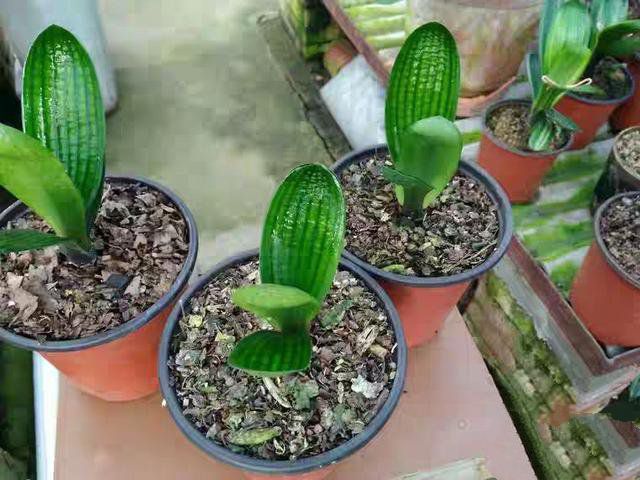
A newly potted clivia must not be given a large amount of water, let alone watered heavily for three days in a row; doing so will certainly cause problems for the clivia's root system.
The roots and the plant body of clivia themselves contain a large amount of water. If you plant the clivia in relatively moist soil, even if you water it only after a week, the clivia plant will still root normally and grow normally. There is simply no need to water until clear water runs out of the bottom of the pot; this is a completely wrong watering method. For a freshly potted clivia plant, we can do the following.
One, water as appropriate. When potting a clivia plant, the moisture level of the nutrient soil each person mixes is different. First, make sure the soil mix is permeable and nutritious. If the nutrient soil mix is relatively dry, you can water it thoroughly once right after potting. Usually, it is enough to see water flowing out from the bottom of the pot, then place the clivia plant in a cool, well-ventilated spot for care; the second watering generally needs to wait until half a month later.
Of course, this also has to be judged and decided based on the material of the pot used and the actual moisture of the soil in the pot. The principle is to prefer dry over wet; keeping the soil moisture content between 40% and 50% is relatively reasonable. If the soil mix used at potting time is relatively moist, the planted clivia can be watered once, or not watered for the time being; after resting for a few days and then watering, it will not delay the plant's normal growth.
Two, the drawbacks of overwatering. A freshly potted clivia plant's root system temporarily has no good absorption function, and the roots have not yet adapted to the surrounding soil environment. Therefore, the soil does not need to be too moist. If you water continuously so that the soil is always full of a large amount of water, the water will squeeze the air out of the soil. When the clivia's root system is severely oxygen-deprived and very moist, root rot, rotten roots and other waterlogging damage are very likely to occur.
If the flower pot used is a clay pot or earthenware pot, and there is a good drainage layer at the bottom, then the soil in the pot will dry out a bit faster. If a plastic pot or porcelain pot is used, because the walls of such pots have extremely poor breathability, the soil in the pot will dry out relatively slowly, and over time this will harm the clivia's root system. Therefore, a newly potted clivia must never be given a large amount of water. If the plant develops rotten roots because of too much water, the loss will outweigh the gain.