Can orchids be fertilized in winter? Fertilization methods and precautions
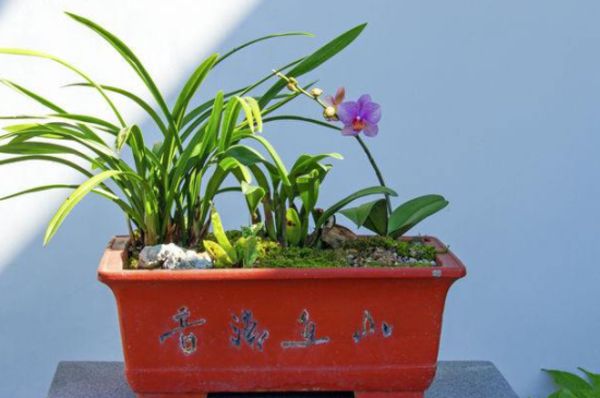
In winter, orchids are in a dormant period, and at this time the roots have little demand for nutrients, so no fertilization is needed in winter; otherwise, root burn is likely to occur. In winter, the plant should be placed in a sunny spot indoors, and the pot should be turned regularly. When watering, keep the potting soil on the dry side and do not allow waterlogging, so as to ensure normal root growth.
1. Orchids should not be fertilized in winter
Orchids have different fertilization methods in different seasons; otherwise, it will affect the growth of the plant. So, in fact, it is not allowed, because orchids enter a dormant period in the cold winter, and at this time the roots do not have a high demand for nutrients. If fertilizer is applied frequently, it is easy to cause root burn. Generally, applying a special quick-acting flower fertilizer once before winter begins is enough.
2. Key care points for orchids in winter 1. Frequent light exposure
Light is an important factor affecting orchid blooming. If orchids are kept in a shaded place year-round, they will bloom very little. Generally, in winter, place the orchid on an indoor balcony or by a sunny window, and also turn the pot frequently so that every part of the plant receives even light. When the weather is very cold, cover it with plastic film.
2. Water sparingly
Orchids do not have a high demand for water. Generally, during the growing period, watering should keep the soil 80 percent dry and 20 percent moist, which is optimal. In winter, avoid watering directly onto the flowers and leaves, and be careful not to let the potting soil dry out completely. Mainly use misting, and the water used is best rainwater or spring water; use tap water as little as possible.
3. Improve ventilation
In winter, if orchids are kept indoors, it is best to improve indoor air circulation and not place the plant in a closed environment. When disease occurs, promptly prune the diseased leaves and dead branches on it to avoid affecting the growth of other branches. In this way, they can grow relatively lushly in winter.