What to do when a Milan flower (Aglaia odorata) has root rot? Trim the roots, change the soil, and improve water and fertilizer management
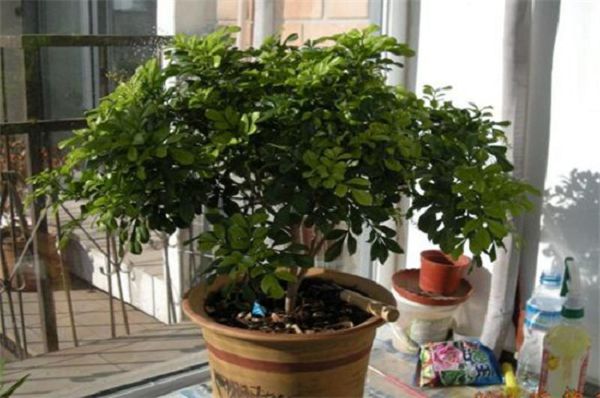
When the roots of a Milan flower (Aglaia odorata) rot during growth, the rotten roots must first be trimmed off in time. If it is caused by unsuitable soil or excessive moisture, then it also needs to be repotted with new potting soil for care. When it suffers from pests and diseases, the corresponding pesticide for those pests and diseases also needs to be poured into the soil, and water and fertilizer management needs to be strengthened, and it should be placed in a scattered-light environment for care so that the plant gradually recovers its vitality.
Causes of root rot in Milan flower (Aglaia odorata) and solutions 1. Trim the roots
During the growth of a Milan flower (Aglaia odorata), if it is watered too much, the soil is unsuitable, or it suffers from pests and diseases, then the plant will very easily develop root rot. At this time, the rotten roots of the plant must first be trimmed off in time, and the roots must also be sprayed with carbendazim solution to disinfect them, preventing the roots from further rotting.
2. Replace the potting soil
Generally, if the soil is unsuitable or too moist, then what is the best thing to do when a Milan flower (Aglaia odorata) has root rot? Not only do the rotten roots need to be trimmed off in time, but new potting soil also needs to be prepared for it, and the plant just needs to be repotted for care, placed in a scattered-light environment, and patiently wait for the plant to recover its vitality.
3. Pest and disease control
If a Milan flower (Aglaia odorata) suffers from root rot disease or cutworm damage, then the plant's roots will also very easily rot. At this time, its roots also need to be treated, and it needs to be repotted with new potting soil for care, and the corresponding pesticide for those pests and diseases also needs to be poured into the soil, and it just needs to be placed in a ventilated environment for careful care.
4. Strengthen management
After each corresponding treatment for root rot in a Milan flower (Aglaia odorata), it is best to strengthen management measures for it. Do not water and fertilize the soil in large amounts; just keep the soil slightly moist. It is best to place it in a scattered-light environment, and whenever the plant gradually recovers its vitality, then apply fertilizer to it in appropriate amounts.