Orchid watering has its subtleties, and these precautions must be known
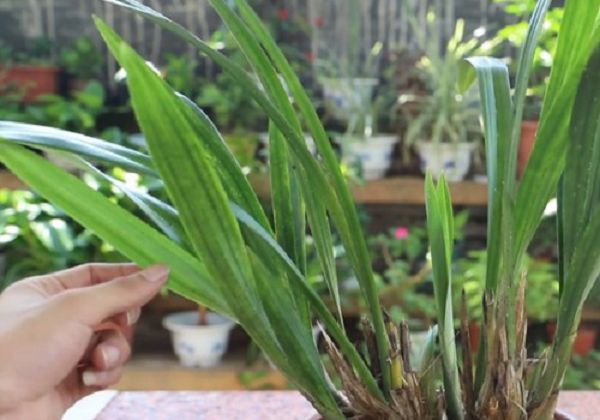
Many households like to grow orchids in pots, after all, orchid leaves are glossy green and very fresh and eye-catching, and when well cared for they can also produce elegant yet fragrant flowers. Moreover, orchids are very easy to keep alive, and normally we only need to do a good job of watering management.
But when it comes to watering, you cannot just water casually. Besides mastering the method, the quality of the water will also affect their normal growth, and even determine whether they live or die. So, what precautions are there when watering orchids?
1. Fertilizer water that has not been fermented and decomposed
Households produce a lot of domestic wastewater in daily life, and many gardening friends like to put this wastewater to use for growing flowers. For example, rice-washing water, fishy water, expired milk, and so on are all good water for growing flowers, so they are usually used as fertilizer water for plants.
Some gardening friends directly pour this wastewater onto orchids, only to find that before long the plants show poor growth. This is because such raw fertilizer water will ferment in the soil and release a large amount of heat, thereby burning the plant's roots. So, to ensure this wastewater is both nutritious and safe to use, it must be fully fermented and decomposed before use.
Actually, the fermentation method is also fairly simple: just collect this wastewater as usual, put it into a bottle and screw the lid on tightly. Be careful not to fill it too full, to avoid the gas released during fermentation making the bottle burst. Then put it in the sun for 2 months and it will become decomposed. Never directly use fresh wastewater as fertilizer water to pour on orchids.
Only after fermentation is complete is it truly fertilizer water; then take it out and dilute it with water at a ratio of 50 times, stir it thoroughly, and pour it on the orchids. Of course, if you only have rice-washing water, you do not need to ferment it that long; different liquids often have different fermentation times, and this needs to be decided according to the specific situation.
2. When watering, it is strictly forbidden to give orchids half-way water
Half-way water is also called waist-cutting water in the industry, meaning that when watering, only the upper layer of soil is moistened while the deeper soil is still short of water. If watered this way for a long time, it will inevitably cause the plant to dehydrate and turn withered and yellow, or even die, because the orchid cannot absorb water in time from deep in the soil.
In a long-term state of water shortage, the orchid's roots will also become shriveled, and at the same time a large number of empty roots and dead roots will be produced, so naturally they cannot supply water to the plant through the root system. Therefore, over time the orchid will inevitably wither and die.