A Detailed Guide to Growing and Caring for Chloranthus spicatus
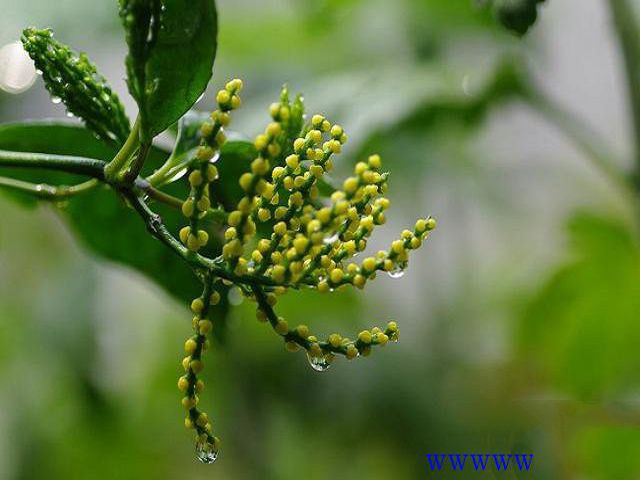
I. Growing Methods for Chloranthus spicatus
1. Preparing Nutrient Soil
To grow a pot of Chloranthus spicatus at home, we first need to understand its growing environment and what kind of soil suits its growth. This plant prefers loose, slightly acidic soil. The soil can be prepared by mixing leaf mold, coarse sand and garden soil in a ratio of 2:2:5, then adding an appropriate amount of bone meal as a base fertilizer.
2. Light and Temperature
Besides soil requirements, light and temperature are also very important for Chloranthus spicatus. This plant is naturally shade-loving and cannot be exposed to strong direct sunlight. It should be placed in a warm, well-ventilated spot. If the temperature drops below 10 degrees, Chloranthus spicatus will stop growing, so good insulation measures must be taken, with corresponding measures according to the weather temperature. In the hot summer, when temperatures get very high and water evaporates quickly, we should take shading measures and replenish water for the plant. Spray a little water around the pot soil to lower the surrounding temperature, while maintaining air humidity. Also remember that the environment must be well ventilated.
3. Watering
Chloranthus spicatus likes moisture, so we should try to maintain the humidity of the pot soil, but it should not be too wet. Do not water too much, and there should be no standing water. During spring, water once every 1-2 days. As the temperature rises, water once a day. In summer especially, water once in the morning and once in the evening, and spray the leaves at noon to maintain humidity. Do not use cloudy or murky water, as it is not good for root growth.
4. The Flowering Period of Chloranthus spicatus
The flowering period of Chloranthus spicatus is relatively long, and it consumes a lot of nutrients, so nutrition needs to be replenished in time. We can apply dilute fertilizer in spring, once every 15 days, gradually reducing the amount. After buds appear, the frequency of fertilizing can be relatively reduced, and in autumn it can return to the original frequency.
5. Pinching and Pruning
Everyone presumably understands apical dominance, so we need to remove the growing tips to promote the growth of lateral buds and control the height of the plant. Once about 20 lateral buds have grown, pinching can be stopped. At the same time, we should promptly remove yellowed leaves and old branches.
II. Precautions for Growing Chloranthus spicatus
1. Pests and Diseases
Chloranthus spicatus is also a plant that can suffer from pests. In summer, we should prevent pests such as aphids, red spider mites and scale insects. When pests occur, we can spray pesticide to kill them.
2. Shading
Chloranthus spicatus is a shade-loving plant, as Hua'er Gu has already mentioned above, but here we emphasize it once more: during the summer growing period, we need to take shading measures, otherwise the leaves will easily turn yellow, thereby affecting its ornamental value.
3. Cold Protection
In northern regions, temperatures drop sharply in October, so Chloranthus spicatus should be moved promptly to an environment with sufficient light. Keep the pot soil moist and pay attention to air humidity. The room temperature is best kept above 15 degrees; if the temperature falls below 5 degrees, the plant is easily frostbitten.