Symptoms and Control Methods of Anthracnose in Potted Orchids
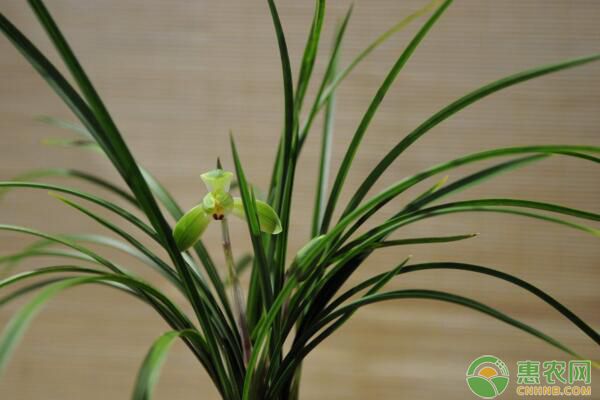
Orchid anthracnose, also known as black spot disease or brown spot disease, is caused by the orchid anthracnose pathogen. It mainly damages leaves but can also harm stems, and is a common and important disease of orchids. Orchid anthracnose not only severely hinders orchid growth but also seriously affects ornamental value, especially for foliage-type varieties grown mainly for their leaves. So today, let's talk about it.
I. Causes and Symptoms
The anthracnose pathogen is a fungus of the genus Colletotrichum, which mainly affects leaves. In the early stage of leaf damage, light brown sunken spots appear on the leaf surface, and later many small black dots arranged in concentric rings form on the diseased areas. When leaf tips are affected, several dark brown necrotic spots appear on the leaf surface, bearing many small black dots.
II. Disease Development Patterns
Orchid anthracnose occurs year-round. It is generally severe under conditions of high temperature and high humidity with poor ventilation. Excessive nitrogen fertilizer and insufficient light also easily trigger anthracnose. When rainy weather suddenly turns sunny, the disease becomes severe. Once infected, if not treated promptly, the disease will recur year after year.
III. Control Methods
1. Routine Cultivation Management
(1) Strengthen cultivation management and pay attention to ventilation and light penetration in the environment
For enclosed orchid growing, ventilation and light management should be strengthened; during hot and rainy seasons, air humidity should be reduced, and stuffy heat must be avoided; orchid planting density should be reasonable, with a certain distance between pots.
(2) Promptly prune leaves with diseased spots
In the early stage of disease, promptly cut off leaf tips with diseased spots, with the cut preferably 1-2 cm from the diseased spot.
(3) For diseased orchids, it is best not to water by drenching the whole plant
After orchids develop disease, watering by whole-plant spraying should be adopted, as this helps the pathogen spread.
(4) Strengthen chemical control
In the early stage of disease, spray the whole plant 2-3 times for control, once every 7-10 days. The main chemicals that can be used are: 50% prochloraz manganese salt wettable powder 1000-1500 times solution, 25% prochloraz emulsifiable concentrate 1500 times solution, 10% difenoconazole water-dispersible granules 3000 times solution.
2. Small Home Remedies for Non-Pesticide Control of Anthracnose
(1) Quicklime water
First slake quicklime with an appropriate amount of water, then put the slaked quicklime powder and clean water (at a ratio of 1:100) into a container, then take the clarified liquid and spray it on orchid plants, which can control anthracnose and southern blight.
(2) Chive juice
Mix chive juice and clean water at a ratio of 1:60, then spray it on orchid plants twice a day, which can effectively control anthracnose.
(3) Garlic for controlling anthracnose
After mashing garlic bulbs, add 10 times the amount of water and stir, then soak and filter to take the liquid, and dilute it 20-30 times, then spray it on orchid plants. This can not only have a sterilizing effect and control anthracnose, but also kill insects and promote orchid growth.
(4) Vinegar for controlling anthracnose
Pour one tablespoon of vinegar into 1 kg of clean water, stir evenly, and spray it on orchid leaves. Vinegar can also be added to some acidic or neutral pesticides, and it can control anthracnose.