How to Grow Magnolia alba? Detailed Methods and Precautions
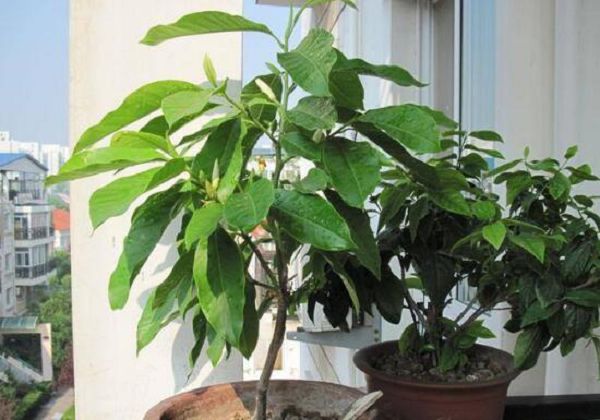
Magnolia alba is one of the common plants in daily life, and it looks pleasing to the eye, so many people want to grow Magnolia alba at home, but they do not know how to grow it, so they give up the idea of growing Magnolia alba. Now the editor will solve this trouble for you and teach you how to grow Magnolia alba well, and has also specially sorted out the growing methods and precautions for Magnolia alba. Let's take a look together.
I. How to Grow Magnolia alba
Magnolia alba is a tropical plant, usually planted outdoors, and only rarely grown indoors, because the Magnolia alba tree is tall and looks less attractive placed at home, but it can be chosen to grow on a balcony, and Magnolia alba is only suitable for growing in a place with sufficient sunlight. In a dark and damp environment, Magnolia alba will wither. Below you can look at the growing methods and precautions for Magnolia alba.
II. Growing Methods and Precautions for Magnolia alba
1. Growing Environment
Magnolia alba likes a sunny and humid environment. Although it needs sufficient light, in summer it is best placed under a shade flower shed. When the light is suitable, move the shade away, and when there is strong light at noon, just put the shade back in place. Therefore, Magnolia alba is relatively demanding regarding its growing environment, and generally it can only grow vigorously in a place with sufficient sunlight.
Precautions: Insufficient light, long-term shading, or exposure to strong sunlight will all cause poor growth of Magnolia alba, which in turn causes fewer Magnolia alba flowers, faint fragrance, and can also cause leaves to curl or turn yellow. Therefore, to care for Magnolia alba well, it can only be placed in a place with sufficient sunlight.
2. Watering
Watering is the key to how to grow Magnolia alba. Wet the soil in the pot thoroughly in one go. When the soil in the pot is slightly dry, there is no need to water, because the root system is fleshy, afraid of waterlogging, and not tolerant of dryness. In spring, after taking it out of the room, water thoroughly once, then water thoroughly once every other day; in summer, water once in the morning and once in the evening, prevent smoke pollution, keep the leaf surface clean, and when necessary, spray-wash the leaf surface to help the plant develop and grow normally.
Precautions: Remember not to water every day, but you can often use a small spray bottle to spray water on the leaves. In summer, water thoroughly no fewer than three or four times a month, and do not water too much when watering, otherwise Magnolia alba will be drowned directly.
3. Temperature
In winter, among the growing methods for Magnolia alba, freeze prevention and warmth protection must be done well, because Magnolia alba is not cold-tolerant. Except for South China, all other regions must move it indoors for care in winter. During the day, the indoor temperature should be maintained above 12 degrees, and at night not lower than 6 degrees, otherwise it is prone to low-temperature cold damage. Air circulation and keeping the pot soil moist are necessary for safe overwintering.
Precautions: Magnolia alba is not suitable for surviving in a cold environment, so temperature is the key to whether Magnolia alba can safely overwinter. If the temperature of the growing environment is too low, it will directly cause Magnolia alba to die.
4. Fertilizing
Magnolia alba needs more fertilizer for growth. When growth is vigorous, keep fertilizing about once every half month, or apply 2-6 grams of compound fertilizer, and apply thin fertilizer frequently (cake fertilizer). In winter, no fertilizing is needed. From the next year when new buds sprout until June, fertilize with water once every 3-4 days, and from July to September once every 5-6 days. The number of fertilizations can be changed according to actual conditions.
Precautions: Fertilizer must not directly contact the roots. It should gradually penetrate deeper into the soil with watering to prevent root burn.
5. Repotting
The size of the flowerpot needs to be chosen according to the crown size and tree age of Magnolia alba, so that the plant's growing environment can be more suitable. If a new pot is being replaced, first scatter a small amount of loose soil and base fertilizer into it, then water thoroughly, and wait until planting is stable. Repot when the pot soil is slightly dry. The specific method is to slowly tilt the pot or turn it upside down.
Precautions: When repotting, replace with a pot or tub of appropriate size according to the crown size of Magnolia alba and the length of its tree age, so as to help the plant grow vigorously, and pour Magnolia alba out and move it into the new pot. A small amount of loose soil should be placed in the new pot (tub) in advance, then water thoroughly, and planting is stable.
6. Pruning
For potted Magnolia alba, choose a suitable height and use pruning shears to cut off the terminal buds and shorten some side branches. After the terminal buds are cut off, it helps produce more side branches, more flower buds, and more flowers. Therefore, Magnolia alba does not need frequent pruning, because in the growing methods for Magnolia alba, pruning is only done when Magnolia alba grows to a certain height.
Precautions: Magnolia alba does not have many branches. Apart from dead branches, diseased and pest-damaged branches, and branches that disrupt the tree shape, generally no pruning is needed. After the flowers fade, if seeds are not being kept, the fruit should be cut off to avoid consuming nutrients.
7. Soil
For household potted Magnolia alba, choose loose soil with strong air permeability and relatively rich humus for cultivation. Usually choose a clay pot, purple clay pot (tub) with good air permeability, or a plastic pot with more bottom holes. The soil in the pot is best if it contains a certain amount of granular soil of varying sizes, to facilitate water drainage and air permeability.
Precautions: Potted Magnolia alba must not use fine sandy soil or heavy clay soil with poor air permeability, because such soil seriously affects plant growth and may directly cause Magnolia alba to die.
III. Flowering Period of Magnolia alba
The flowering period of Magnolia alba is long. When environmental conditions are suitable, it can bloom continuously all year round, but it is afraid of drought, waterlogging, cold, and alkalinity. In northern regions it is regarded as a relatively delicate and difficult-to-grow flower, and is not suitable for surviving in a cold environment. Therefore, if you want to know how to grow Magnolia alba, you should place it in an environment with sufficient sunlight.