Why should orchids be planted in tall pots?
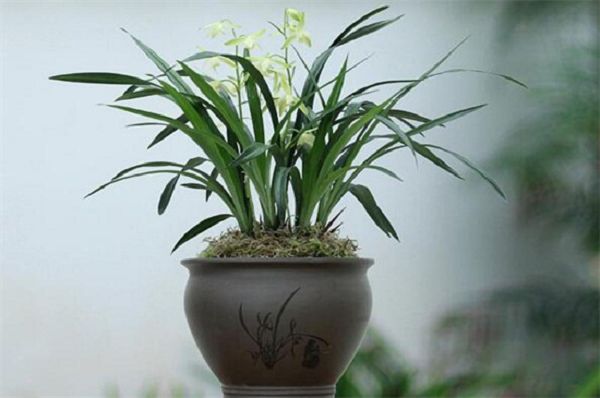
During orchid cultivation, it is best to choose deep, tall pots. Because orchids have fleshy roots, after long-term cultivation and growth they need a lot of space, which helps improve the ornamental effect. Tall pots also do not easily accumulate water and help with dividing the plants, so it is best to use tall pots to benefit orchid growth.
I. Reasons why orchids should be planted in tall pots
Orchids are a traditional Chinese flower, and many people grow them as potted plants. Because orchids are plants with fleshy roots, after long-term cultivation the roots need a lot of space to grow, while ordinary shallow pots are relatively less effective, and tall pots give them better ornamental value.
There is also another reason: tall pots do not easily accumulate water, because during orchid cultivation, if water accumulates in the pot it can cause root rot, and before long the plant will wither and die. Tall pots precisely make up for this shortcoming, and growing orchids in tall pots also helps with dividing the plants, so it is best not to use shallow pots.
II. Orchid cultivation methods 1. Humus soil
Because orchids like to grow in loose, fertile, highly permeable soil rich in organic matter, you can choose leaf mold, rotted leaf soil, peat soil and coarse sand and mix them in a ratio of 4:2:2:1. Then before planting, add an appropriate amount of decomposed organic fertilizer solution to the bottom of the pot, and pour in a small amount of water.
2. Light treatment
Because orchids like to grow in environments with diffused sunlight, be sure not to expose them to prolonged direct sun. It is best to provide 4 to 5 hours of short-day sunlight treatment each day. In strong sunlight, pay attention to appropriate shading. Generally this should begin in April, and then in midsummer they should be moved to a shaded place in advance each day for care.
3. Water and fertilizer treatment
Orchids are a type of plant that likes to grow luxuriantly under conditions of sufficient nutrients. During the growing season, apply a base fertilizer solution once every 3 to 4 weeks, and then in high-temperature seasons you can appropriately add a small amount of diluted foliar fertilizer. Water once a day, and reduce watering in winter, just keeping the potting soil moist.
4. Soil replacement treatment
Because orchids are plants with fleshy roots and have high soil requirements, it is best to replace the soil once every 1 to 2 years. Also promptly cut off old roots, fibrous roots and dead roots from the root system, then remove the old soil and disinfect once with a small amount of potassium permanganate.