What to pay attention to when caring for orchids in winter in northern regions
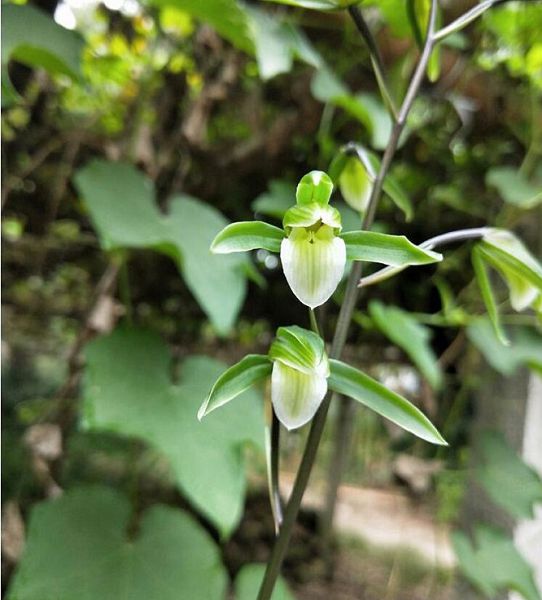
In recent years, orchids have been grown in the homes of more and more flower lovers because of their clear leaves, colorful flowers and fragrant scent. However, since orchids are rather "delicate" flowers with high requirements for environmental conditions such as water, fertilizer, soil, temperature and light, especially in winter, they may wither if you are not careful. Below, the editor will share with you what aspects need attention when caring for orchids in winter in northern regions.
1. Maintain a suitable temperature. After entering winter, the outdoor temperature is relatively low, and cold waves often strike, so orchids placed outdoors must be moved indoors promptly and placed in a spot that regularly gets sunlight. If conditions allow, placing them in an enclosed south-facing balcony is even better, because long hours of sunlight in winter are very beneficial for the orchids' growth the following year and for bud formation and flowering. The indoor temperature should be kept between 5°C and 15°C. If the indoor temperature is too low, it will not serve the purpose of protecting against cold and keeping warm; if too high, it will affect the orchids' dormancy.
2. Properly control watering. After the Start of Winter, orchids are about to enter dormancy. At this time, the orchids' physiological activities decrease and they need little water, so keeping the soil slightly moist is enough to meet their needs. If it is too dry, you can use warm rainwater or snow water and, on a clear and warm day, use a fine-nozzle watering can to spray a small amount of water so that the surface of the pot is slightly moist; do not water heavily.
3. Pay attention to controlling fertilizer and increasing light. During the winter dormancy period, orchids generally do not need fertilizing. If indoor light is insufficient, incandescent lamps can be used for supplementary lighting, which helps the orchids carry out photosynthesis and produce nutrients, laying the foundation for growth the following year and for bud formation and flowering.
4. Ventilate in a timely manner. Orchids like warmth but are afraid of smoke, dust and oil fumes. Therefore, after being kept indoors for a long time, you can open windows for ventilation around noon on clear and warm days to benefit their overwintering growth.
5. Pay attention to disease prevention and control. Orchids overwintering indoors are very prone to breeding bacteria because of the relatively high temperature and humidity, so you should frequently inspect the orchid plants and, once disease is found, apply the appropriate medicine promptly. In daily care, carry out protective measures, such as spraying Bordeaux mixture on the potting soil, the orchid plants and the ground environment around the orchid pots, to eliminate or reduce the occurrence of pests and diseases.