How to make Clivia soil at home? Detailed mixing methods
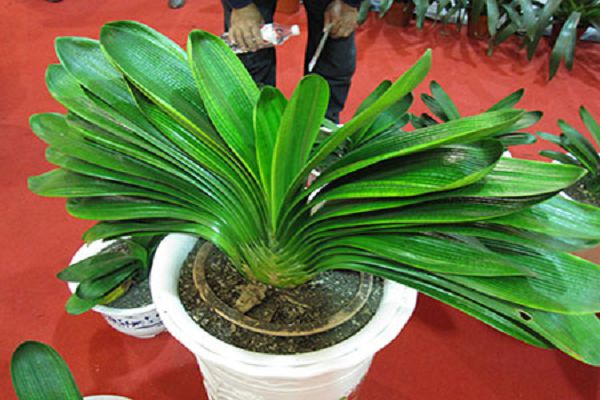
There are several ways to mix soil for Clivia: eight parts leaf mold plus two parts river sand; seven parts horse manure soil and three parts river sand; five parts horse manure soil, three parts river sand and two parts furnace slag; four parts broadleaf soil, three parts furnace slag and three parts pine needles; five parts broadleaf soil, three parts pine needles and two parts river sand.
1. Formula requirements
Clivia needs fertile yet loose soil, and it also needs to contain a lot of organic matter to ensure it has sufficient nutrients, so homemade potting soil must meet these requirements.
2. Materials
1. Leaf mold: any fully decomposed broadleaf tree leaves can be used to mix potting soil, but oak leaves are the best.
2. River sand: river sand needs to be washed with water, and it is best for mixing soil, especially in summer, when it can lower the temperature of the potting soil.
3. Furnace slag: slag burned at a very high temperature is the best; break it into pieces the size of an index fingernail, then wash it clean with water. It is more suitable for use in winter, as it can retain temperature and also retain water and fertilizer.
4. Horse manure soil: this first needs to be fermented, then screened, and the appropriately sized granules taken out for use; it is generally used as a base fertilizer.
5. Peat soil: it generally has two forms, one is granular and the other is powdery; the granular one is the best.
6. Larch needles: they can be used alone or in combination with other humus materials.
3. Nutrient soil formulas
1. Eight parts leaf mold plus two parts river sand can be used.
2. Use seven parts horse manure soil and three parts river sand.
3. Five parts horse manure soil and three parts river sand and two parts furnace slag.
4. Four parts broadleaf soil and three parts furnace slag and three parts pine needles.
5. Five parts broadleaf soil and three parts pine needles and two parts river sand.