What are the key points of quail breeding technology? A detailed explanation of breeding methods in one article
When raising quails, some people get the feeling that the technology requirements are not high, but when it comes to actually raising them, mistakes happen frequently. In fact, the reason is simple: every type of breeding has its own areas that need extra attention, and it is enough to spot them in time. So, do you know which aspects count as the key technical points when raising quails?
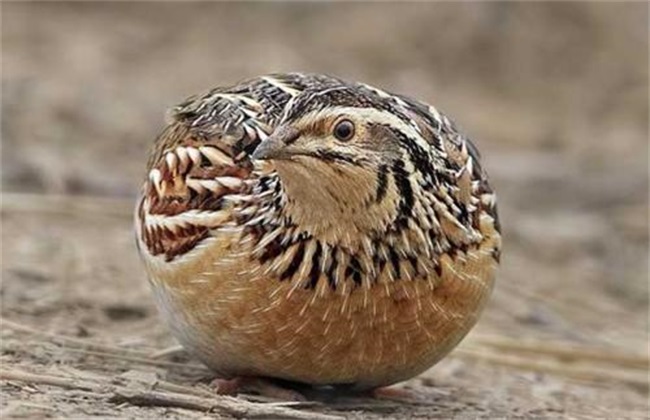
1. Breeding density
The first point is naturally density. Quails are small and dainty and do not take up much space, but this does not mean breeders can increase the breeding density, because high density will seriously affect breeding returns, from fattening to egg laying. When the density is too high, the activity level of the whole flock of quails will decline to varying degrees, later showing up as poorer fattening results, with more and more quails becoming thin and weak, because the quails do not have enough space, they become less and less willing to move around, and in the end comes the stage of frequent breeding accidents.
2. Feed changes
Quails are small in size, so feed is also a very particular matter. For young quails, the feed is generally something like feed paste, which is good for digestion, and it should be a bit thin; if it is too thick, young quails will not be able to digest it and problems will arise. After one week, you can gradually feed some crushed granular material, with the size controlled at about half a grain of rice. After two weeks, it is basically normal feeding, and some fresh grass and similar things also need to be added to the feed. The feed must be adjusted appropriately according to the size of the quails.
3. Changes in light duration
Light also has a relatively large effect on quails, especially during the laying period, so this is also something to pay key attention to. Young quails are more sensitive to light, but they need more rest, because their constitution is not strong, so the daily duration should be controlled at around ten hours. After three days, it can gradually increase. In the normal period, it should be controlled at around 14 hours, and at the peak laying period, it should be controlled at around 16 hours. Longer light duration during the laying period helps increase the number of eggs laid.
4. Growing environment
A good growing environment is one of the foundations for maintaining quail production! The quail cage should be a bit dry, with softer bedding prepared. There should be no sharp objects around the cage, the gaps in the cage must not let the head pass through, and the air vent must not be aimed at the cage. These are all basic points to pay attention to. After that, hygiene must be cleaned up in time, especially the remaining feces. If conditions allow, a filter net can be prepared at the bottom, which will save cleaning time.
The above are the key points of quail breeding technology. Whether the quails are raised well or poorly is to a large extent affected by these factors, yet these are indeed places that people tend to overlook. After reading this, everyone should adjust their own breeding methods accordingly!