What are the requirements for crucian carp farming? A detailed explanation of farming methods and technical key points
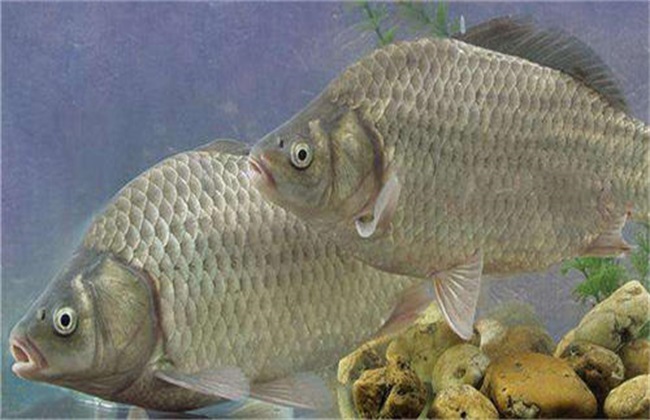
As one of the common fish species today, crucian carp itself is quite popular, and its size can basically meet the needs of various households. As far as the market goes, it is also decent, but those who want to farm crucian carp need to pay attention to some issues. Farming crucian carp also has requirements, so let everyone first understand them before deciding whether to farm it!
1. Pond requirements
Crucian carp farming ponds generally do not need to be very large, because crucian carp itself is rather small, and a large pond is difficult to manage. A pond should be about 1 mu in size. If it is a natural lake or a large wild pond, it is best to divide it into areas. The pond bottom needs to be relatively flat, so that the water depth will be more even, which is good for farming. Before releasing the fry, the entire pond needs to be disinfected, preferably with several cycles, because crucian carp has relatively poor resistance to diseases. After disinfection, leave it idle for about a week before starting to farm.
2. Water quality requirements
The water quality of crucian carp farming sites emphasizes the characteristics of “fertile, living, and tender”; this is the most suitable water quality condition for crucian carp, and farmers need to regulate the water quality according to this condition. Fertile means the water needs to be fertilized; if the water is not fertile, crucian carp cannot be raised, so when farming crucian carp, the water must first be fertilized. Living refers to the flow of the water source. Crucian carp itself causes water source pollution fairly quickly, and because of its growth rate, the crucian carp farming pond needs frequent water changes to maintain the vitality of the water source. If conditions permit, it is best to maintain a long-term inflow and let the dead water flow out.
3. Reasonable polyculture
Nowadays polyculture is the core of fish farming. Farming a single species of fish ultimately gives unsatisfactory results, because the ecology of the farming pond is prone to imbalance, and this is especially obvious with crucian carp, so when farming crucian carp, try to use polyculture. The fish used in polyculture should not differ too much from crucian carp, and it is best if they are relatively close in size, so that crucian carp is less likely to be threatened. Second, the total proportion of the polycultured fish species should preferably not exceed 30%; too much will affect the normal growth of crucian carp.
4. Control density
The farming density of crucian carp has always been something people pay more attention to. In fact, there is currently no particularly detailed standard for this; it mainly depends on each person's actual area. Generally speaking, the number per mu is controlled at around 1300-1600 fish, and adding the polycultured fish species, the total is around 2000 fish, which is considered a relatively suitable level. During this period, pay attention to the movement of the fish school. If there are frequent cases of fish floating at the surface, then the density may be too high and causing insufficient oxygen.
The above are some requirements for farming crucian carp. Everyone should take these issues into consideration when farming, so as to avoid problems in their own farming. Farming this thing still depends on the actual situation, and everyone can make appropriate changes.