What growth conditions are needed for turkey farming?
In recent years, turkey farming has been a fairly popular project, because quite a few people are interested in it, but knowledge about turkey farming has not spread widely. Many people want to raise turkeys but do not know their growth conditions. Below, we will introduce the conditions suitable for turkey growth, so that friends who want to farm them have some understanding.
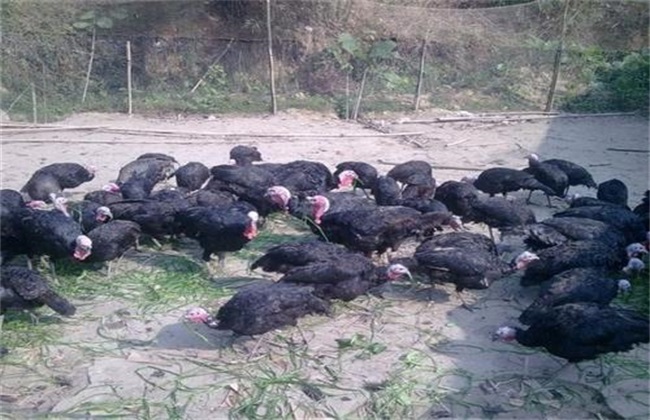
1. Little noise
Noise is a factor that must be seriously faced in any farming. When raising turkeys, you can choose a location with some noise, but it must not be too loud. Turkeys are not very sensitive to sound; what they fear are various frightening noises. If there is noise nearby for a long time, the impact is not great. If you choose a relatively quiet place, then you must pay attention to one issue: it is enough that harsh, piercing sounds do not frequently appear suddenly nearby.
2. Good coop conditions
The coop is a fairly important place for farming. Because turkeys are relatively large, the coop needs to be a bit sturdy, otherwise it is prone to damage and escape. The coop should be divided into two parts, indoor and outdoor: the indoor part shelters them from wind and rain, while the outdoor part is for daily farming and feeding activities. The soil in the area should not be too moist, as this easily leads to the breeding of bacteria, and it needs to be fairly clean. In addition, drainage should preferably be convenient to avoid the accumulation of standing water. Other items can be added as needed. The outdoor area should preferably be broad, to avoid too high a farming density.
3. Environmental factors
When raising turkeys, you also need to look at what the local environment is like; not every place is suitable. As for temperature, the suitable temperature is around 18-30°C; too high or too low easily affects farming. Humidity is around 50%; if it is too low, it will seem relatively dry, and the turkeys raised will look to be in very poor condition, with poor market appearance from body shape to exterior. Light duration must not be too long. Turkeys themselves do not have dense feathers, so over time they cannot dissipate heat, leading to an imbalance in body temperature.
4. Clean disinfection
Bacteria are also quite harmful to turkeys, so disinfection must be done thoroughly. Regular sterilization is also needed afterward, because turkey disease outbreaks are relatively hard to detect, so you can only put more effort into prevention. As for the pathogens the turkeys themselves carry, these need to be strengthened through vaccines and during feeding. This technology is also something farmers need to master; it can be considered a hidden condition.
The above are some of the conditions suitable for turkey growth. Before farming, first learn about these conditions and see whether your local area is suitable for farming. Next, you can gain a deeper understanding of some other requirements, especially if you want to raise them.