How to care for clivia in summer? Master these care essentials
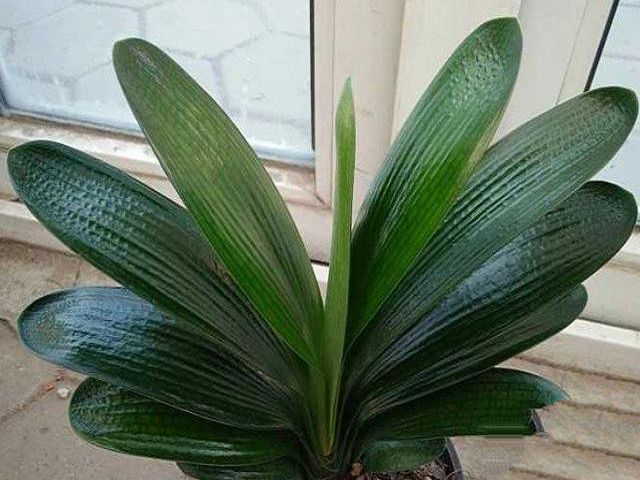
Clivia (Clivia miniata) is a plant loved by many flower growers and belongs to the medium-light flowering plants. Caring for clivia well in summer still takes some effort. Below is an introduction to how to care for clivia well in summer.
Light
Because summer temperatures are high and ultraviolet rays are very strong, placing clivia under the blazing sun will scorch it. Give clivia appropriate shade, or let it receive morning and evening light. This solves the lighting problem while not hindering clivia from carrying out photosynthesis and continuing to grow. In summer, place clivia in a ventilated spot.
Growing environment
If the ambient temperature is above 35°C, moisture in the soil evaporates too quickly, which will imbalance the supply and demand of water and nutrients in clivia. Therefore, it is best to place potted clivia on a water pool or water basin (propped up with red bricks), and appropriately spray water around the plant and on the leaf surface to improve the warm and humid environment for clivia (note: do not let water on the leaf surface flow into the leaf core, to avoid the leaf core rotting), so that it can grow at around 25°C, ensuring it safely passes the summer and continues to grow in summer.
Watering
In the hot summer, when watering clivia, adhere to the principle of watering when half-dry and watering thoroughly when watering; water in the morning or evening. Do not water as soon as you see the surface soil is dry, as this will make the potting soil too wet, with no air permeability, and easily cause root rot or yellow leaves. Also, when watering clivia, be very careful not to let water run into the leaf core, to avoid causing rot in the heart. Summer temperatures are high, and clivia is mostly in a semi-dormant or dormant state. Be sure to control fertilizing, and try not to fertilize. If the temperature of clivia's growing environment is lowered to around 25°C, then some dilute liquid fertilizer can be applied appropriately to shorten its dormant period; if the temperature drops below 20°C, then fertilize normally.
Preventing pests and diseases
Because summer is hot and stuffy, bacteria and the like are also very likely to cause infection. During care, avoid letting clivia get injured and developing bacterial infection. Some insecticides and similar drugs can be sprayed for prevention in advance. In addition, also pay attention to ventilation to avoid the occurrence of scale insects.