In what season does the clivia generally bloom?
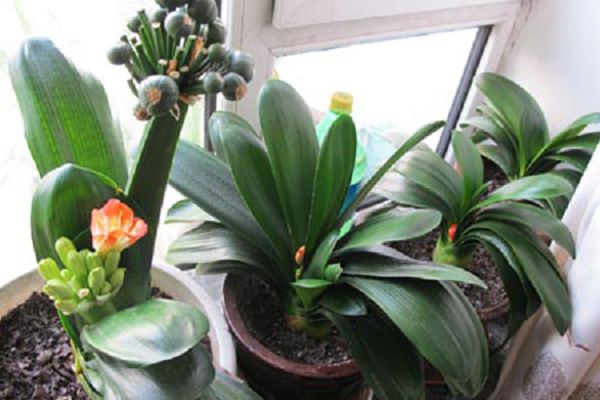
Under normal circumstances, it blooms in spring, though some bloom in summer. Its blooming time and the length of its flowering period are both related to the region where it is grown and the cultivation method. Generally, it only blooms after 4-5 years of cultivation; with good care, it can bloom in 2-3 years. If it does not bloom, it must be caused by improper cultivation methods, and the problem should be addressed accordingly.
I. Blooming season
The clivia generally blooms in spring, and we can see it bloom from New Year's Day to the Spring Festival. Normally, the flowering period is around February to April, though some flower enthusiasts grow ones that bloom in June or July. Its blooming time is influenced to some extent by the growing region and method, so the flowering period is not very fixed.
This flower needs to grow for a long time before blooming. Generally, it must be cultivated for 4-5 years before it produces flowers, and it should only bloom once the plant has grown 20-25 leaves. If cared for well, it can bloom at 2-3 years. The length of its flowering period is also not fixed and is related to some extent to the climate of the growing environment.
II. What to do if it does not bloom
1. Increase light: When a clivia does not bloom, it is mostly caused by the growing environment being too dark. If you want it to bloom, you need to appropriately increase light and let the plant get as much sunlight as possible.
2. Reduce nitrogen fertilizer: When fertilizing, the amount of nitrogen fertilizer must not be too much. A phosphorus-potassium fertilizer should be applied once as appropriate, and the amount of nitrogen fertilizer should be reduced somewhat.
3. Adjust the temperature: It is best to adjust the temperature to a suitable range. The room temperature is best kept between 18-28°C, and the nighttime temperature should not be too low either; around 8-10°C is sufficient. Too low a temperature will affect its blooming.