Low survival rate of weaned kits? Practical methods to help you improve it
The 20-day period after weaning is the time of the highest mortality rate in a rabbit's entire life, and it is also an important period that determines the survival rate on a farm. Improving the survival rate of kits is especially important for improving the economic benefits of rabbit farming. So how can you improve the weaning survival rate of kits? Follow along with the editor to find out.
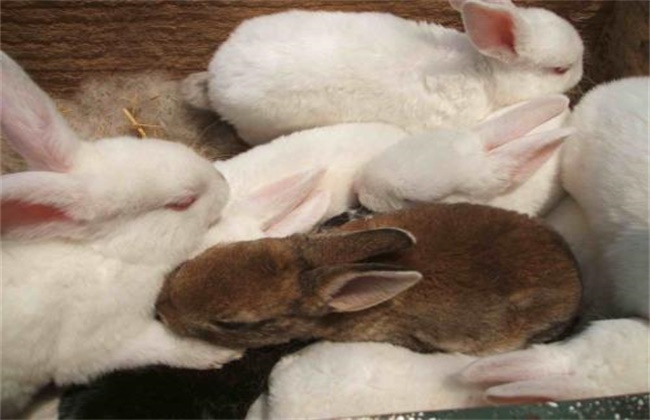
1. Keep warm
Newborn kits have no fur on their body surface, their eyes are closed and their ears are sealed, and their ability to regulate their own body temperature is poor, especially during the first 10 days after birth, when this situation is even more pronounced. Therefore, warming measures should be taken by spreading soft bedding straw in the birthing room, along with the fur that the doe pulls out, to ensure a suitable temperature in the micro-environment of the birthing room. Generally, a temperature between 20-25 degrees is most suitable, and the environment should also be kept quiet, clean and dry.
2. Promote lactation
The doe's colostrum is rich in protein and vitamins, and most importantly contains a large amount of immune antibodies, which play an excellent role in strengthening the kits' physique and preventing disease. Newborn kits that receive enough colostrum will have a strong physique and great vitality. For does that lack milk after giving birth or produce little milk, the feeding amount of concentrate and green feed should be increased, and some feed and medicine that promote lactation should also be given, such as peanut kernels or lactation-promoting tablets. For does that give birth to many kits but have few teats, nursing should be done in batches or a foster doe should be found; for does with weak maternal instincts, forced nursing should be carried out so that they gradually learn to nurse.
3. Reasonable weaning
Generally, kits are weaned at 30-35 days of age, and weaning can also be appropriately advanced or delayed according to the breeding schedule and the kits' nutritional status. At weaning, kits should be vaccinated against rabbit plague, and 2 kits should be placed in one nest according to individual size, so as to prevent a single kit from feeling lonely. After weaning, forage and feed that are small in volume, easy to digest and high in nutritional level should be selected, and feed changes should be gradual, with attention to small amounts given multiple times, while ensuring sufficient drinking water and prohibiting the feeding of moldy or contaminated feed.
4. Disease prevention
Kits have weak disease resistance, and the diseases that harm them most are coccidiosis, diarrhea and pasteurellosis. Once infected, they are extremely difficult to cure, so preventive measures should be taken. First, try to keep the rabbit house clean and hygienic, and ensure that kits are not exposed to cold, do not overeat, and do not eat spoiled or contaminated feed. This is the key to preventing diarrhea in kits. At the same time, disinfection work is also quite important, and this is an important point in preventing pasteurellosis.
The above is an introduction to how to improve the weaning survival rate of kits. We hope it can help you. If you want to learn more related knowledge, please stay tuned to us.