Is an orchid that was repotted last autumn now established in its pot?
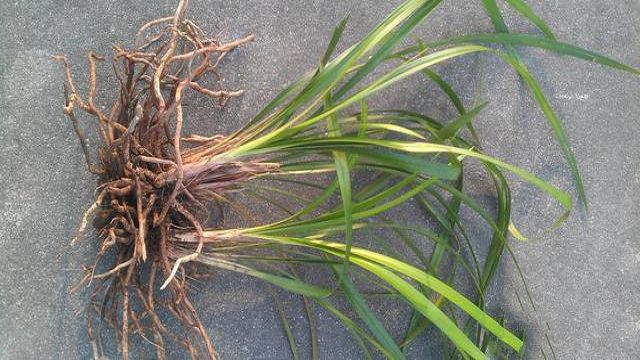
Spring is the peak growing season for orchids, and also the peak season for new shoots, so fertilizing is naturally essential. But not all orchids are suited to spring fertilizing. For some orchids that were just repotted or were repotted only a short time ago, you must first determine whether they have become established in their pots, and only then decide whether to fertilize. So for some growers whose orchids were repotted last autumn, are they now established? Can they be fertilized?
Many growers think that an orchid repotted last autumn must surely be established by now, since several months have passed, and that with suitable spring temperatures it can certainly be fertilized to promote growth and the sprouting of new shoots. But this is not the case. Whether an orchid has become established cannot be determined by the length of time, but should be determined by the orchid's current condition. Because when the temperature is unsuitable, even after several months the orchid may still not be established and may not have entered a growth state. Fertilizing will prolong the time needed to become established, causing excessive depletion of the plant, yellowing leaves, and in severe cases causing the orchid to fail to establish and the whole pot to die.
Generally speaking, orchids repotted in northern regions at the end of August or in September are mostly established before winter arrives, and when temperatures rise in early spring they enter normal growth and can be fertilized normally. But if an orchid in the north was repotted in mid-to-late October, even after a whole winter it may not necessarily be established by spring. Do not rush to fertilize in early spring; observe carefully whether the orchid is growing normally, then decide whether to fertilize. Some orchids in the north are repotted in late autumn or early winter, lie dormant through winter without growing, produce no new roots, and must wait until spring temperatures warm up before new roots grow and the plant becomes established. This process may last about a month, and fertilizing too early brings only harm and no benefit. In the south, because winter comes later, orchids repotted in October or even early November may become established during winter and resume growth in spring. So whether an orchid has become established after repotting is closely related to temperature and humidity, and growers in both the north and the south should pay attention to this when caring for their plants.
So how do you judge whether an orchid has become established? Mainly look at three points. First, whether the leaf color has returned to normal, with a deep green color and a strong glossy sheen. If it has not become established, the leaf color is dull, somewhat grayish, without gloss, and the leaves are not very upright, drooping somewhat severely. Second, whether the feel of the leaves is normal, whether they are fairly resilient with a strong texture. If not established, the leaves feel somewhat soft, with a weak texture when touched, which is also the reason for the severe drooping. Third, whether new leaves are growing and whether the pseudobulb is plump. If not established, the new leaves do not move at all; even after several months, the leaves have not grown longer. In addition, when not established, if the delay is long, the nutrients in the pseudobulb are consumed by the plant without being replenished, so it becomes soft and wrinkled. If the pseudobulb turns yellow, it is mostly a sign that the plant has failed to establish.
For orchids that have become established after repotting, once spring temperatures rise and stabilize, they can be fertilized appropriately. The first fertilizer should be at a slightly lower concentration; after applying it, observe carefully, and if there are no problems, the second fertilization can proceed normally. For orchids that have not yet become established after repotting, once spring temperatures rise, do not rush to fertilize; observe the orchid's condition carefully. When the leaves become glossy and shiny and new leaves begin to grow, it means the plant has successfully established and can be fertilized and cared for. For orchids that were just repotted, it is recommended to apply a little nitrogen fertilizer first to promote the sprouting of new buds, then switch to a compound fertilizer.