How do you care for violets at home? Practical care methods shared
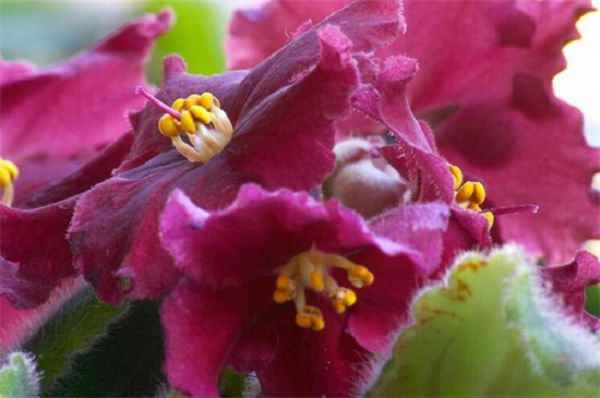
To grow violets at home, use perlite, peat soil and vermiculite mixed in a 2:2:1 ratio. During the growing period, keep sufficient light, control the growing temperature between 18 and 26°C, do not water too much, spray more water in summer heat to increase humidity, apply organic fertilizer or compound fertilizer once a week during the growing period, apply phosphorus and potassium fertilizer before the flowering period, and pay attention to regular pruning.
1. Soil requirements
To grow violets, it is best to use loose, breathable, well-draining, slightly acidic soil rich in humus. It is recommended to mix perlite, vermiculite and peat soil in a 2:2:1 ratio. If unavailable, you can also mix leaf mold, garden soil and fine sand in a 3:2:1 ratio.
2. Light requirements
Violets need sufficient light during the growing period, but they need appropriate shading in the early planting stage. However, during the growing period and the flower bud differentiation stage, sufficient light must be ensured. Only then can the violet's flower buds differentiate more completely, which can help it bloom earlier and extend the flowering period.
3. Temperature requirements
Violets are neither tolerant of high temperatures nor cold, and can only grow vigorously in suitable temperatures, so the temperature must be controlled well. Normally maintain a temperature of 18 to 26°C. During flower bud differentiation, control the temperature at around 20°C, and there should be a certain temperature difference between day and night. This will be beneficial to flower bud differentiation.
4. Watering requirements Violets do not like moisture, and water accumulation very easily causes root rot. Therefore, when growing violets, do not water too much. Generally, water once a week during the growing period. Only when the summer temperature is too high should you water a moderate amount more, spray violets in the morning and evening every day to increase humidity, and sprinkle water on the ground at noon to increase air humidity.
5. Fertilization requirements
Violets should be fertilized once a week during the growing period. The amount should not be too much, and raw fertilizer or concentrated fertilizer must not be used, so as to avoid burning the roots with too much fertilizer. Pay attention to applying thin fertilizer frequently. Either decomposed organic fertilizer or compound fertilizer can be used. Applying some phosphorus and potassium fertilizer near the flowering period is beneficial to flowering.
6. Pruning requirements Violets generally do not need pruning, but if nutrients are sufficient, some leaves are prone to growing too long, which affects their ornamental value. In addition, improper care can cause phenomena such as yellowing leaves. You can cut off both the excessively elongated leaves and the yellow leaves, which is better for ornamental value and can also save nutrients.