What are the benefits of raising sheep on fermentation beds? A must-read for farmers
Sheep is a very popular meat in China, and there are many breeds of sheep, with a very large farming area. Now, with the continuous development and progress of society, various different sheep-rearing models have emerged. Among them, fermentation bed farming is a relatively popular model, so what exactly are the benefits of raising sheep on fermentation beds? Today, the editor will give you a brief introduction, let's take a look below!
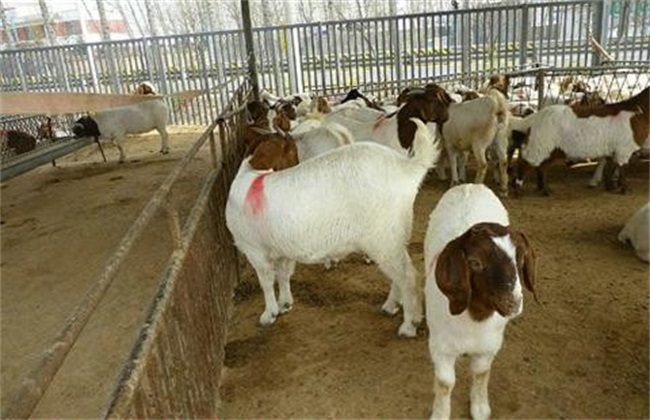
1. Deodorizing and energy-saving
When raising sheep on fermentation beds, the manure and urine produced by the sheep are decomposed and transformed through the action of microbial functional bacteria. Part of it is broken down into odorless substances for discharge. The rest is converted into crude protein, microorganisms and other nutrients provided to the sheep. Therefore, raising sheep on fermentation beds can also be called odorless sheep farming, with no odor in the sheep pen and no need for washing, and it can basically be described as zero-emission farming. The surface temperature of the fermentation bed also stays above 20°C all year round. In winter it provides warmth, and in summer it is ventilated and cool. Each sheep can basically save about 1/5 of concentrate feed per year.
2. Clean pen
When raising sheep in pens, it has a great impact on the sheep's constitution, and because the housing space is limited, it is very conducive to the spread of disease. Therefore, when raising sheep, maintaining a clean pen environment is very important. However, when cleaning up sheep manure, it not only takes a lot of time but also requires manpower. Especially in winter, cleaning the pen is even more difficult, but with fermentation bed farming, there is no need to worry about manure disposal. It can maintain a good pen environment and ensure healthy growth of the sheep.
3. Warm and comfortable
At low temperatures in winter, the ground temperature in the sheep pen is relatively low and prone to dampness. If pregnant sheep's bellies touch the ground for a long time, miscarriage and stillbirth can easily occur. Moreover, for newborn lambs, their constitution is very poor, and they are extremely susceptible to freezing to death or frostbite from low temperatures, leading to a decline in lamb survival rate. Fermentation bed farming, however, can maintain a suitable temperature in winter with little fluctuation. It can also prevent the ground from being damp and lowering the temperature inside the pen. It lets the sheep live on warm and comfortable bedding, so they grow faster and rarely get sick.
4. Disease prevention
The fermentation bed contains a large number of functional bacteria, and these functional bacteria are rich in beneficial microorganisms. After the sheep consume these beneficial microorganisms, they can not only maintain body condition but also improve the sheep's own resistance. Moreover, in winter, green grass resources are very scarce, and traditional sheep farming methods are very unfavorable to sheep growth. The fermentation bed can decompose manure and convert it into various nutrients that the sheep can eat. When the sheep feed on the fermentation bed, they can effectively absorb various nutrients and supplement the nutrients needed for sheep growth. This prevents disease occurrence and reduces the disease incidence rate.
The above is a brief introduction to the benefits of raising sheep on fermentation beds. That's all for today's introduction. This article is for reference only, and we hope it can help everyone!