What are the precautions for raising sheep on fermentation beds?
Raising sheep on fermentation beds is now a very popular sheep-raising model, and it is basically found all over our country. There are many advantages and benefits to raising sheep on fermentation beds, such as energy saving and environmental protection, deodorizing and warmth retention, and lowering breeding costs. However, when raising sheep on fermentation beds, there are many points that require our attention. What exactly are they? So today, the editor has brought you the precautions for raising sheep on fermentation beds. Let us take a look below!
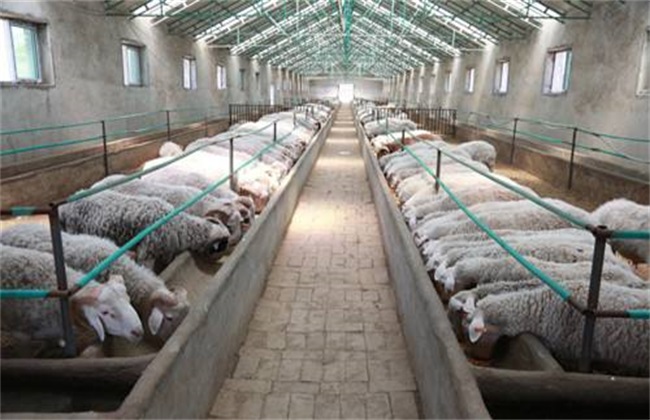
1. Repair the sheep shed
When raising sheep on fermentation beds, we must first choose the location of the sheep shed well. The sheep shed should be built in a place with sufficient sunlight, good air circulation, and dry and warm conditions. Although the fermentation bed has good warmth retention performance, before winter arrives, we still need to check whether there are openings letting in drafts and plug them in time, while also preventing roof leakage. For sheep sheds that are dilapidated or leak wind and rain, repair work must be done well. Then we must also pay attention to the arrangement of the fermentation bed, and must not use poor-quality bedding material just to save money, as this will instead affect the growth of the sheep.
2. Supplemental feeding and watering
In dry grass seasons such as winter and spring, if the sheep rely only on the food on the fermentation bed, it cannot meet their growth needs. Therefore, we should pay attention to appropriate grazing and do a good job of supplemental feeding. However, grazing should not be excessive, to avoid excessive physical consumption that affects the sheep in maintaining and gaining fat. Supplemental feed can use peanut vines, bean stalks, and other grain straws. The amount of supplemental feeding should be reasonably adjusted according to the growth stage of the sheep. For example, if they are adult sheep, then about 1-2 jin per day for supplemental feeding is enough. If the number being raised is not large, then the feed can be placed in a basket, and the basket can be hung up for feeding.
If the breeding number is relatively large, then the forage can be tied into bundles and hung in a position the sheep can reach for feeding. At the same time, attention should also be paid to supplementing an appropriate amount of concentrated feed. The concentrated feed can be made by mixing grain powder, rice bran, and the like, and is generally fed every evening. At the same time, attention should also be paid to supplementing an appropriate amount of nutrients such as salt, vitamins, and trace elements. It is necessary not only to ensure uninterrupted green grass feed, but also to let the sheep drink an appropriate amount of light salt water.
3. Sanitation and epidemic prevention
Although raising sheep on fermentation beds can enhance the disease resistance of sheep, we still cannot ignore sanitation and epidemic prevention work. Especially in winter, sheep are prone to diseases such as dysentery, colds, and Escherichia coli infections. Therefore, we must maintain good ventilation in the fermentation bed, and the sheep shed environment must be kept clean and dry. Then turn over the bedding material of the fermentation bed appropriately and check for changes in the sheep. If disease occurs, treat it in time to avoid its spread.
The above is a brief introduction to the precautions for raising sheep on fermentation beds. That is all for today's introduction. This article is for reference only, and I hope it can help everyone!