Detailed Guide to Muscovy Duck Farming Techniques: Master Scientific Feeding and Management Methods
As more and more people accept Muscovy duck farming, the breed's popularity has grown along with it, but many people still do not know much about the knowledge involved in raising Muscovy ducks. So how should Muscovy ducks be raised? Let's take a look at Muscovy duck farming techniques below!
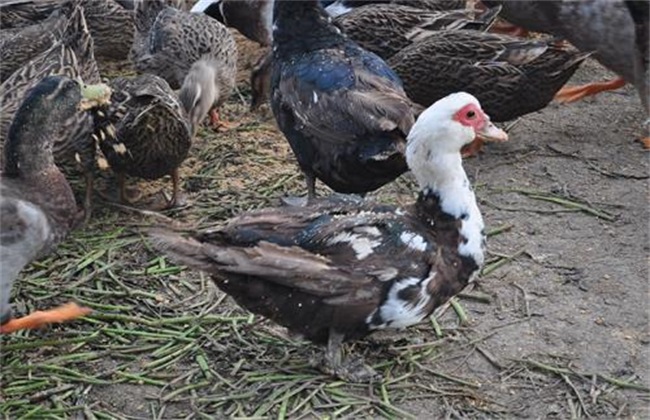
1. Duck House Construction
The duck house needs to be prepared before farming. Muscovy ducks are not very particular about their duck house; it is roughly the same as an ordinary duck house, as long as there is a water source nearby so the ducks can easily enter the water. The duck house itself tends to be damp, so a relatively dry location should be chosen for it. The duck house is divided into two parts: a confined rearing area and a free-range area, and the two should just be close to each other. The confined rearing area is divided into several breeding sections, used for overnight stays and overwintering, while the free-range area is the daily activity ground for the Muscovy ducks, and it only needs to be relatively free of pollution.
2. Brooding Management
Young Muscovy ducks are generally not put out to range; they are mainly kept in the confined rearing area, because they have poor resistance to the outside environment, and free-range rearing is not only inconvenient to manage but also prone to problems. Before one week of age, the temperature of the duck house must be well controlled, as long as it is not below about 25°C, and it is best to add bedding material to the rearing site to prevent the young Muscovy ducks from catching cold. After three weeks, you can slowly try letting them out, but the time should not be too long; increase it gradually, and after one month they can be managed completely according to the free-range method for adult ducks. During this period, if there are mild days, the Muscovy ducks can be let out early to bask in the sun, but they must not be allowed into the water early.
3. Feeding Management
Feeding is the key to fattening Muscovy ducks. Muscovy ducks are generally fed about three times a day, and the feed trough should be a bit large, because ducks easily scatter feed out of the trough when eating. To avoid waste and indigestion, feed should be given in small amounts many times, with a water trough prepared nearby, so that the Muscovy ducks eat more. Feed is the main thing for weight gain, but vegetables and other leafy greens cannot be omitted either; feed vegetables at least once a day, and the feed can be mixed into cooked vegetables to help them eat better and reduce waste, because cooked food sticks the feed together and makes waste less likely. It is best to clean the feed trough once a day, and the water in the water trough should as much as possible not be left overnight; replace it in time.
4. Hygiene and Disease
Hygiene problems are the key trigger of Muscovy duck diseases, so more attention should be paid to this aspect. The main sources of pathogens for Muscovy ducks are duck droppings and what is brought back during free-range outings. Deal with duck droppings promptly in daily management; do not let them remain for too long. Disinfection frequency should be controlled at once every 1-2 months; it does not need to be too frequent, and disinfection should be carried out when the Muscovy ducks are out ranging. If the Muscovy ducks show relatively abnormal conditions, they need to be isolated and observed in time to avoid the problem of disease transmission.
The above are the techniques for farming Muscovy ducks. Raising Muscovy ducks is relatively simple, and under normal circumstances there are generally no problems. What worries people more when doing farming is still the issue of sales channels. When farming, everyone should pay attention to accumulating experience and be mindful of some common problems yourself; small problems often trigger major diseases.