What are the precautions for soft-shelled turtle farming? Key points to master
The soft-shelled turtle is a very popular farmed species at present, but many people complain that soft-shelled turtles are hard to raise and often die for no apparent reason. In most cases, this happens because farmers fail to pay attention to certain issues, so what problems should be noted when farming soft-shelled turtles?
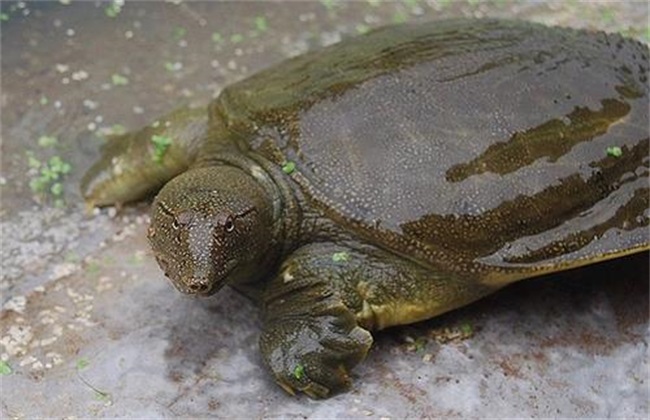
1. A quiet environment
Soft-shelled turtles are rather timid, and some external stimulus will make it take quite a long time for them to recover. If such things happen fairly often, it will seriously affect the turtles' feeding efficiency. When farming soft-shelled turtles, the surroundings should preferably be a rather remote place, with few people and quiet, and normally no cars or the like passing by, so as to avoid the impact of car horns on the turtles. However, the duration of light should be long, since soft-shelled turtles themselves like to bask in the sun, so generally when the sunlight is not very strong, farmers can often see a bunch of soft-shelled turtles floating up to the water surface.
2. Regular disinfection
Soft-shelled turtles themselves do not have very strong resistance to pathogens, so the farming pond needs regular disinfection. And if the sanitary conditions are poor, the soft-shelled turtles will first slowly leave the water area, unwilling to enter the water, and even when being fed they are unwilling to go into the water. These bacteria mostly come from daily accumulation, which ultimately leads to frequent outbreaks of disease. Quite a few soft-shelled turtle deaths come from excessive bacteria. If farmers find that large numbers of soft-shelled turtles are often unwilling to enter the water, and even under external stimulation are unwilling to go into the water, then it may be time to disinfect.
3. Changing the water source
Clean water quality is also very critical for soft-shelled turtles; if the water quality is poor, the turtles staying in it for a long time will easily die. Deterioration of water quality mainly refers to an imbalance in the water ecosystem, insufficient oxygen, water that is not fertile, and so on; these all require changing the water source. If it is not very convenient to change the water of the whole pond, then you can choose to introduce living water and drain the old water. When living water flows into the pond at every moment, the probability of these problems occurring will be much lower.
4. Pay attention to density
Soft-shelled turtles themselves are not very docile, so fights often occur; they are afraid of interference from the outside world, yet they are not afraid of interference from their companions. If the density is relatively high, then fights among the soft-shelled turtles will be fairly frequent, especially when basking in the sun, when such situations often occur over a good spot. If soft-shelled turtles in a farming pond fight frequently, it means the density is too high and the density needs to be reduced in time. Soft-shelled turtles fight rather fiercely, generally biting each other and not letting go, which ultimately leads to infection with various diseases; this requires more attention.
The above are some of the issues to note when farming soft-shelled turtles. Farming soft-shelled turtles requires patrolling the pond often, because there are quite a lot of problems they are prone to, such as escaping and the like; those who have farmed them have surely seen such situations to some extent.