What are the living habits of soft-shelled turtles? A detailed explanation
If you want to raise soft-shelled turtles, you always need to understand some of their habits first; the entire breeding process is adjusted according to the habits of soft-shelled turtles. Once you understand some of their habits, you will know what causes many problems during breeding. Let's take a look at some of the daily living habits of soft-shelled turtles.
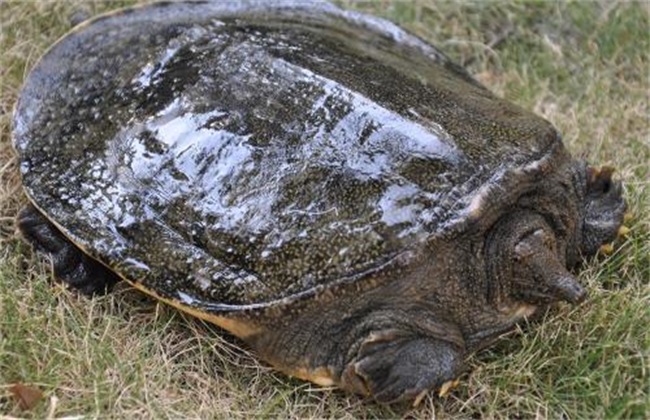
1. What soft-shelled turtles eat
Food is a key part of breeding. Soft-shelled turtles are not very particular about what they eat, and they are mainly carnivorous. Although soft-shelled turtles move slowly on land, they are still fast when hunting. In the water, their daily food is small fish, small shrimp, river snails, and the like; anything small enough to swallow is basically a target for soft-shelled turtles. After coming ashore, they will prey on some insects or small frogs, mainly depending on what passes in front of them. When raising them, you can feed them according to these items. Of course, you can also feed them some animal organs and the like, but they must be chopped up.
2. Daily activity places
The places where soft-shelled turtles are active are divided into two parts: water and land. If the water environment is good, they will spend most of their time in the water; if the land is warm, they will go onto the land. When in the water, soft-shelled turtles generally choose to hide in sand or mud, staying quietly without moving. If food passes by, they will prey on it. On land, they will choose some places with strong light to bask in the sun, but when stimulated they will return to the water, and after things become quiet they will come out again to bask in the sun.
3. Breeding time
Everyone must firmly remember the breeding time, as this is related to subsequent breeding and cultivation. Soft-shelled turtles generally begin a spawning period lasting several months after May. They will lay eggs multiple times, ending at the latest in September. When laying eggs, soft-shelled turtles go ashore, so everyone should reserve a place for egg laying, and cover this place with more sand and the like so that soft-shelled turtles can detect it and bury the eggs. Because they fear external threats, soft-shelled turtles only go ashore at night. Breeders should pay attention to doing a good job of safety protection so that soft-shelled turtles can lay eggs safely.
4. Temperature
Temperature has a very obvious effect on soft-shelled turtles. When the temperature is low, they hibernate; when the temperature is suitable, they eat more and grow better; when the temperature is high, they eat and drink nothing and wait for the temperature to drop. The suitable temperature for soft-shelled turtles is around 16-32°C; both higher and lower temperatures will have an effect, so the water temperature of the breeding pond needs to be controlled well. If you want soft-shelled turtles not to hibernate, that is also possible, but this requires everyone to keep the indoor temperature of the breeding pond stable at a suitable temperature, and the water temperature must not be too low either. Only when both temperatures are suitable will soft-shelled turtles not hibernate.
The above are some of the living habits of soft-shelled turtles. If you want to raise soft-shelled turtles, you must understand these things, otherwise you will not know how to start. If you want to learn more, you can follow our future updates!