What are the reasons a Clivia does not bloom?
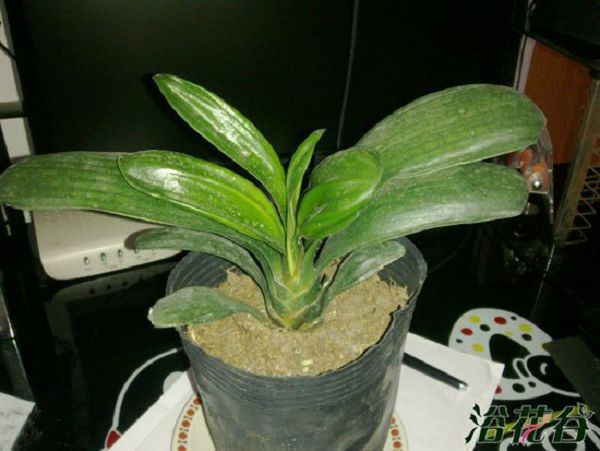
Although Clivia is grown mainly for its foliage, blooming is still something to aim for. Under normal conditions, there are two rules for a Clivia to enter its blooming period: first, it must have been planted for a full four years, and second, it must have seven leaves on each side, for a total of fourteen leaves.
If your Clivia has been grown for four years but still has fewer than fourteen leaves, that means there are still problems with its care. You can check whether any of the following situations have occurred:
1. Too much sunlight
Clivia dislikes harsh sun exposure. Direct summer sunlight will cause sunscald and inhibit growth. From May to September each year, it should be grown under a shade shed or in a semi-shaded environment without direct sunlight.
2. Temperature too high, environment too dry
The suitable temperature for Clivia is 15-25 degrees. If the temperature is too high, the air too dry, and ventilation poor, it cannot grow normally and may even be damaged. In hot, dry weather, place the Clivia in a cool, well-ventilated spot with relatively moist air, and spray water on the leaves and the surrounding environment to lower the temperature and increase humidity; before Frost's Descent, when the temperature drops to around 10 degrees, it must be brought indoors, and the indoor temperature should be kept at around 15 degrees so it can safely overwinter.
3. Compacted potting soil
Clivia prefers loose soil that is airy and well-draining. If the soil is compacted and drains poorly, it will cause root rot. It is best to buy special Clivia soil for planting. Special Clivia soil is leaf mold soil, which is extremely suitable for Clivia growth.
4. Lack of fertilizer
Although Clivia is not particularly fond of fertilizer, a lack of fertilizer will cause poor growth and prevent blooming. When planting, use decomposed organic fertilizer as a base fertilizer. You can also evenly apply a handful of sunflower seeds around the potting soil where they do not touch the roots, so they slowly release fertilizer for the Clivia to absorb. During the peak growing season, apply more phosphorus and potassium fertilizer, about once every ten days, for 3-4 times in a row. In winter, you can sprinkle monopotassium phosphate around the surface of the potting soil to promote bud formation and blooming. If too much nitrogen fertilizer is applied, the leaves may be very green, but it will not bloom.
5. Improper daily management
Clivia needs careful care. Change the soil once every spring. Do not water too much normally, and control watering even more in summer; pay attention to keeping the leaf surface clean to promote photosynthesis, which helps bud formation and blooming. You can often use a soft cloth dipped in tea water to gently wipe the leaves, which keeps them glossy and shiny. When changing the soil, carefully straighten and separate the root system so it can fully extend, which can promote growth; the pot should not be too large, and a deeper clay tile pot is preferable, a purple clay pot is acceptable, and porcelain pots should be avoided.
If you pay attention to the above points, your Clivia will surely bloom every year.