How to grow orchids best? Master the six key cultivation points
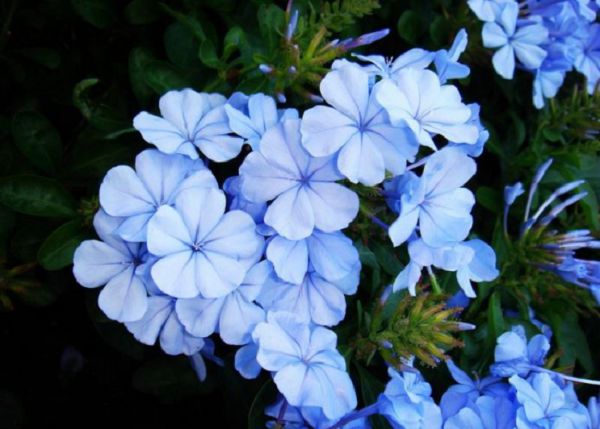
Orchids are one of the largest and most diverse families among flowering plants. With their distinctive leaves, flowers and fragrance, they possess the unique "four purities," giving people an image of the utmost purity and elegant beauty. Famous figures past and present have held them in the highest esteem, likening them to the gentleman among flowers. So how are orchids cultivated? What good methods are there in cultivation? And what must be noted when growing orchids? Let's take a look together with the editor.
Orchid planting methods (basic knowledge):
Best propagation time: March to April is the best planting time of the year for orchids.
Best growing soil: For cultivating orchids, it is best to use loose soil rich in leaf mold or homemade acidic sandy nutrient soil. The pH value is best between 5 and 6.5, an acidic soil.
Growing humidity requirements: Orchids grow well when the relative air humidity is 60-70{bf}; too dry or too wet easily triggers orchid diseases.
Best growing temperature: Orchids love coolness and hate stuffiness. The best growing temperature for orchids is 18-30 degrees Celsius, but because their place of origin is the south, they cannot tolerate freezing, so in hot weather attention should be paid to ventilation and shading, or they should be placed in a cool, airy environment; in winter they should be placed in a warm, wind-sheltered spot, and in cold winter they should also be moved indoors to avoid frost damage.
Best growing light: Orchids prefer shade and should not be exposed to too much sun. If conditions allow, on sunny days in spring, autumn and winter, move them into the sun from 8 a.m. to 10 a.m. to sun them for 2-3 hours; in summer, let them sun for about half an hour around 8 a.m., which is beneficial to orchids.
Notes on cultivating orchids (six key cultivation points):
Fertilizer application: In June-July, when orchid leaf buds have stretched to about 1.5 cm, apply 1-2 times of thin, well-rotted liquid fertilizer (chemical fertilizer is not advisable). In August-September, apply another 1-2 times of rotted, thin liquid fertilizer. For pure-color orchid varieties, apply 1-2 times of wood ash extract, and the effect is very good.
Watering points: Orchids by nature prefer cool, shady and moist conditions, but "moist" means keeping the soil moist, and they must not be watered too much. When the climate is dry, use a fine-nozzle watering can to water the leaves and pot soil until slightly moist, and never water too much, which would let water accumulate at the roots. In summer when the weather is dry, spray water on the leaves, and spraying 2-3 times a day is even better. In winter, if the pot soil is not too dry, there is no need to water. However, in spring, summer and autumn, they must not be kept too dry.
Pruning essentials:
1. During orchid cultivation, pruning must be carried out continuously. When old leaves turn yellow and wither, they should be cut off promptly to facilitate ventilation; some leaves whose tips have dried up should also be cut off. In particular, leaves damaged by pests and diseases must be removed promptly to avoid contagion. When cutting off leaves with viral disease, the scissors used should not then be used to cut healthy leaves, to prevent the virus from spreading.
2. After the flower buds of precious orchids emerge from the soil, if there are too many flower buds, keep the strong buds and remove the rest of the thin, small flower buds; keeping 1-2 flower buds per pot is appropriate. If there are too many flower buds, it will not only make that year's flowers bloom poorly, but also consume too much of the mother plant's nutrients and affect the next year's flowering; normally, orchid flower buds should not be cut off.
3. The flowers of Cymbidium goeringii (spring orchid) bloom for about half a month, after which the flowers need to be cut off; the flowers of Cymbidium faberi (summer orchid), one week after the last flower on the inflorescence has opened, should also have the inflorescence cut off. Precious varieties should not be allowed to be pollinated and set seed, otherwise it will affect the next year's flowering. If used for hybrid breeding, they then need extra care in cultivation so that the fruit becomes plump and ripe.
Repotting: The environment for cultivating orchids should be well ventilated, humid and pollution-free. Choose tall pots for orchids, thick at the top and narrow at the bottom, with many drainage holes, or with drainage holes in the pot walls.
Since orchids grow slowly, repot once every 1-2 years after the flowers fade. When potting, first fill the bottom of the pot with about 3 cm of tile pieces, cinder, etc. to facilitate drainage. Then, put in a layer of nutrient soil, place the orchid seedling in the center of the pot, straighten the roots and let them spread out naturally; when the soil is filled to half, gently lift the orchid seedling while shaking the pot so that the soil and roots combine tightly; when the soil is filled to 2-3 cm from the pot rim, gently press it firm with your hand.
Propagation essentials:
(1) Orchids are mainly distributed in the southeast and southwest regions. They mostly grow wild in shaded spots under sparse forests in moist valleys and beside rocks, so they by nature prefer a warm, humid climate and shady, moist conditions, requiring 70%-90% shading, and they dislike high temperatures, dryness and strong light.
(2) During orchid cultivation, withered yellow old leaves and pest- and disease-damaged leaves should be continuously cut off to facilitate ventilation. After flower buds emerge from the soil, keep one strong flower bud per plant and cut off the rest, so as to avoid consuming too many nutrients and affecting the next year's flowering. After the flowers fade, the flower stalks should be cut off.
(3) In winter, attention should be paid to cold protection. Terrestrial orchids have strong cold resistance, while tropical orchids require a higher overwintering temperature; they should be moved indoors early or protected from the cold with a plastic shed to avoid freezing, and the room temperature is best kept at 10-15 degrees C; when caring for them indoors, attention should be paid to ventilation. As the climate gradually warms in spring, gradually move the orchids to the courtyard or balcony.
(4) For home cultivation of orchids, natural rainwater, stream water, well water and river water are best. If tap water is used, it should first be stored in a vat and exposed to the sun to remove the bleaching powder before use; if tap water is used to water flowers over the long term, it will gradually make the growing medium alkaline. Once every so often, apply ferrous sulfate to increase soil acidity; in addition, watering orchids with fermented rice-washing water can also keep the soil in a slightly acidic state.
Pest and disease control: Carry out sterilization treatment (just expose to the blazing sun) to prevent diseases. Orchids are most prone to southern blight in the rainy, high-temperature season; it can be prevented by spraying with 800-fold thiophanate solution or Bordeaux mixture. If the disease is severe, use a 500-750-fold dilution of thiophanate and spray once every 7-10 days. Among insect pests, scale insects occur most; these insects attach to the base of the leaves, and if scale insects are found, they should be removed promptly. To avoid scale insect infestation, starting in April, a 2000-fold solution of "1059" can be used for control.
In order to suppress the occurrence of orchid diseases, in addition to moderately controlling the dryness and moisture of the pot soil at ordinary times, clay pots should be used as much as possible and glazed pots used less. In particular, newly dug orchids from the mountains that grow poorly must be potted in clay pots. Doing so makes the pot soil dry easily, which can promote orchid growth and reduce disease.
Water culture and soil culture for growing orchids:
Orchid water culture method: Water culture of orchids should be carried out in summer. If you want the roots to turn green as quickly as possible, pay attention to keeping them warm in winter, and if occasionally roots become soft and rot, remember to cut them off.
Orchid soil culture method:
1. The growing medium should be loose, breathable, drain well, retain water and be rich in organic matter.
2. The pot soil should be kept moist and must not stay wet for a long time; moist is the standard.
3. Control environmental humidity, temperature, ventilation and light well. Humidity around 80{bf}, temperature must not be lower than -5 degrees, and light needs about 85{bf} shading.
4. Apply thin fertilizer frequently; do not apply when below 5 degrees or above 35 degrees.
5. Do a good job of pest and disease control.
Warm tips:
Orchids mostly grow in environments with circulating air, so they need a loose, breathable growing medium and a clean environment with circulating air. To grow orchids well, attention must be paid to ventilation, including ventilation around the roots and keeping distance between orchid plants. Keeping fresh air around orchids helps photosynthesis and respiration proceed. Poor ventilation easily causes orchids to suffer pests and diseases, and leaf tips often wither and scorch. In summer especially, ventilation should be strengthened; if conditions allow, an exhaust fan or electric fan can be used to keep the air circulating.