4 common nutrient deficiency symptoms in orchids in winter cultivation
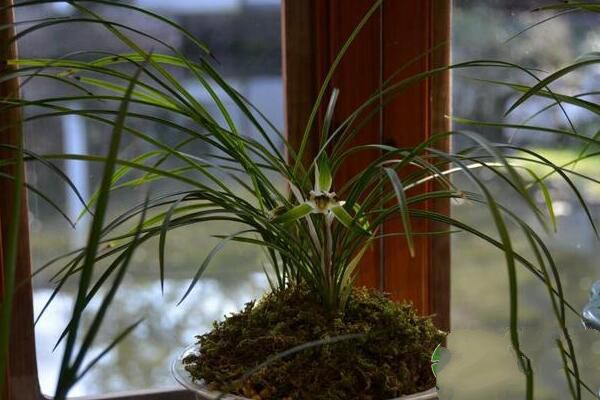
In winter orchid cultivation, besides proper watering, fertilizing is also an important measure in orchid care. When orchids lack different growth elements, they show corresponding deficiency symptoms. Only by clearly understanding each deficiency situation can you prescribe the right remedy.
1. Phosphorus deficiency
The phosphorus element can promote leaf growth. If an orchid plant lacks phosphate fertilizer, the symptoms shown are a relatively slow growth rate of leaf buds, delayed root growth, and curling at the leaf edges.
Solution: Choose potassium monophosphate extract to water the roots, watering once a week. You can also spray a certain concentration of phosphorus foliar fertilizer, once every 3~5 days, and after about 3 consecutive sprays it can return to a normal state.
2. Magnesium deficiency
If the magnesium element is lacking, the orchid's leaves will show yellowing. The tips and edges of old leaves will turn yellow, and may even curl.
Solution: Use a 0.5% magnesium sulfate solution to spray the leaves in the evening. Spray twice a week, and spraying continuously for two weeks is enough.
3. Potassium deficiency
If an orchid lacks the potassium element, the symptoms shown are yellowing at the leaf edges and leaf tips, generally starting from the old leaves. It gradually spreads to the newly grown leaves, and the color gradually deepens into brown.
Solution: You can first use a 0.5% potassium sulfate solution to water the roots and spray the leaves, or you can choose to apply plant ash.
4. Nitrogen deficiency
The nitrogen element can promote leaf growth. If it is lacking, the newly grown leaves will turn yellow and have poor luster.
Solution: Generally, you can choose to use a potassium sulfate compound fertilizer solution to water the roots, or in the afternoon use a diluted urea solution to spray the orchid's leaves, spraying twice a week.
There are many things to pay attention to in winter orchid cultivation. This is determined by the plant's growth conditions in different seasons. Only by applying fertilizer in a targeted way will the orchid's growth state definitely get better and better.