What are the methods for growing potted orchids?
Soil: it should be acidic; test it with pH paper before planting, as alkalinity will affect growth. Temperature: maintaining it between 15°C and 25°C is best; cool it down in summer, control the temperature in winter and keep it above 0°C. Watering: water frequently during the peak growing season, but do not let water accumulate; reduce watering in winter. Light: it tolerates shade and fears direct light, so placing it in a spot with diffused light is enough. Fertilizing: apply a special fertilizer or organic fertilizer, in small amounts but frequently, and do not let it splash onto the leaves.
1. Soil
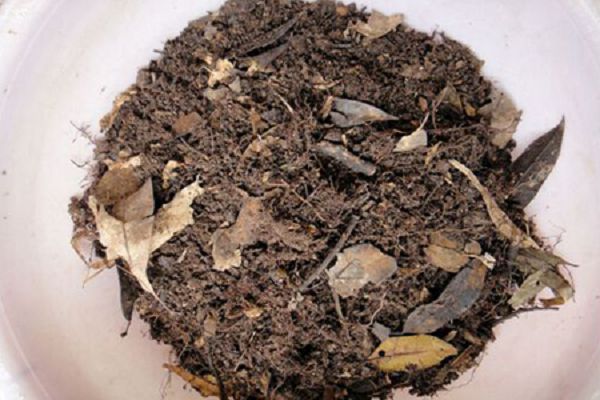
When caring for orchids in pots, choose acidic soil, as alkalinity will affect growth. Before planting, it is best to test it with pH paper to make sure the acidity and alkalinity are right; when mixing the soil, a blend of garden soil and leaf mold is enough.
2. Temperature
It likes a slightly cool environment, disliking both high and low temperatures; a temperature between 15°C and 25°C is best. In summer, take care to cool it down and spray water more often. In winter, keep the temperature above 0°C, with 3°C to 8°C being best.
3. Watering
The amount of water should change according to the different growth stages. During the peak growing season, water frequently, but be careful not to let water accumulate. In particular, in winter you must reduce watering; the soil only needs to be slightly moist. If it has already dried out, wait for clear weather before watering it appropriately.
4. Light
It tolerates shade and fears direct light, especially summer sunlight, so it must be shaded to avoid sunburn. For everyday care, a spot with diffused light is enough; try not to let it receive direct light.
5. Fertilizing
Orchids cannot grow without fertilizer. Before applying it, the fertilizer must first be decomposed; a special fertilizer or organic fertilizer also works, but be sure it is low in concentration. When fertilizing, apply small amounts but frequently to avoid burning the roots. In addition, be careful not to let it splash onto the leaves.