How to grow Aglaia odorata? A detailed guide to Aglaia odorata cultivation methods
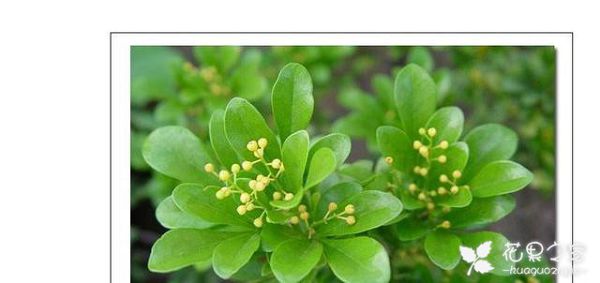
Aglaia odorata is a highly ornamental flower variety that has long received widespread attention, so what are the cultivation methods for Aglaia odorata? I believe everyone is eager to know the answer to this question, so next let us take a look at what the cultivation methods for Aglaia odorata are, and through learning about Aglaia odorata knowledge we can better apply it to everyday life, so next let us take a look at what the cultivation methods for Aglaia odorata are.
Cultivation methods for Aglaia odorata
Soil requirements:
Aglaia odorata prefers moist, fertile, loose loam or sandy loam, preferably slightly acidic. The potting soil can be mixed with 25% compost, 50% leaf mold, and 25% river sand, with an appropriate amount of decomposed cake fertilizer placed at the bottom of the pot as a base fertilizer.
Light conditions:
Place Aglaia odorata in a courtyard or balcony with ample light and good ventilation, maintaining daily light exposure of 8 hours to 12 hours or more, which will make the plant's leaves dark green, the branches grow thick and strong, and the number of flowerings increase.
Temperature conditions:
Aglaia odorata likes warmth, with a suitable temperature range of 20°C to 35°C, and during the period from June to October it can bloom as many as 5 times. At the same time, under ample sunlight, the flowers it produces will be very fragrant.
Watering methods:
Aglaia odorata prefers moisture, and watering should be determined according to dry and wet climate conditions, both maintaining soil moisture in the pot and avoiding excessive water for a long time. In dry weather and during vigorous growth periods, it is best to spray water on the leaves 1-2 times a day.
Proper fertilization:
Fertilizing Aglaia odorata should follow an appropriate principle; after each flowering, it should be top-dressed 2-3 times in a timely manner with fully decomposed dilute liquid fertilizer, so that Aglaia odorata can bloom continuously with a rich fragrance.
Cultivation methods for Aglaia odorata
(1) Maintain good properties of the potting soil
The root system of Aglaia odorata is very well developed, with many fine fibrous roots. Therefore, it is necessary to replace the nutrient-rich new soil in a timely manner and remove excess rotten fibrous roots. The pot should be changed at least once every two years, and those growing particularly well should be changed once a year. The new soil should be mixed with plant ash or fully burned coal cinders, and an appropriate amount of base fertilizer added, so that the potting soil both retains fertilizer and does not accumulate water, that is, it is breathable and has sufficient nutrients. Excess fibrous roots must be removed so that it produces more new roots and enhances the root's absorption function.
(2) Water control and frequent fertilization
In spring, when Aglaia odorata begins to sprout, water control should begin. This is the most critical part of "controlling branches to promote flowers," so this is the peak period of Aglaia odorata sprouting; if watering is not controlled, it will inevitably lead to excessive growth of branches and leaves. Water again only when the tender tips are slightly shriveled and drooping.
Keeping the potting soil always in a slightly dry state can control vegetative growth and force it to convert to reproductive growth. In this way, the growth of branches and leaves can gradually slow down, and the leaves produced are thick, green, and glossy, with short leaf spacing, and flower bud differentiation continues, forming flowers and branch buds advancing side by side; when the flowers bloom, the flower clusters may even be taller than the branch buds.
Apply organic fertilizer 1-2 times a week, and when the flower buds are spreading open, water once with a quick-acting phosphorus fertilizer (potassium dihydrogen phosphate). After flowering, depending on the size of the plant shape, water once with a slightly concentrated organic fertilizer to replenish the consumed nutrients and lay a foundation for the next batch of flowers. Also continue appropriate water control, with the limit being that the tender tips do not shrivel.
(3) Sufficient light
Aglaia odorata likes light; too much shade will cause branches to grow excessively, with few flowers or even no flowers, or flowers without fragrance, so Aglaia odorata must receive sufficient light. This not only enhances the photosynthesis of its leaves to produce more nutrients, but also makes the branches produced short and thick, with short leaf spacing, and leaves small but thick, green, and bright; it also promotes continuous flower bud differentiation, improves the quality and quantity of flower production, and the flowers produced have a rich fragrance, even in summer without exception.
(4) Timely pinching and thinning of branches
Aglaia odorata has strong sprouting ability, with many tiller buds and adventitious buds, so it is necessary to promptly prune the branches and leaves growing on the inner branches and the overly dense, weaker-growing, overly long branches that affect the plant shape, so as to reduce unnecessary nutrient consumption. When the tender leaves grow to the 5th layer, pinching should be done to force it to produce more side branches. Controlling the length of each branch not only keeps the plant shape perfect, but also makes each flowering neat and increases the number of flowers in each batch.
Cultivation methods for Aglaia odorata:
Aglaia odorata is a tropical flower that is not tolerant of low temperatures; in winter it should not go below 5°C, with the optimal temperature being 20-25°C, and usually the flowers produced above 30°C have a stronger fragrance. Aglaia odorata likes sunlight and needs fertilizer; adding animal bone residues or rice-washing water to the soil is beneficial to the number and fragrance of Aglaia odorata flowers. Aglaia odorata blooms many times, and after each flowering it can be top-dressed once. During the growth period it needs more water; in summer it can be watered 1-2 times and sprayed with water frequently, while in winter it is enough to keep the potting soil moist.
Aglaia odorata likes warm places with ample sunlight; in winter it can be placed on an indoor windowsill, in the living room, or in the study, and in other seasons it can be grown on a balcony or in a small courtyard.