What disease causes black spots on orchid leaves?
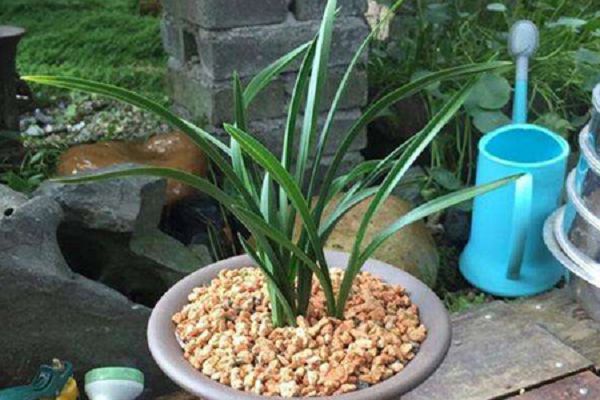
Black spots on orchid leaves are caused by anthracnose. The diseased branches and leaves need to be cut off and burned. Chlorothalonil can be sprayed for treatment, or the plant can be taken out of the pot and soaked in a thiophanate solution. After disinfection, replant it, water it thoroughly and place it in a shady spot. Spray the fungicide every few days to prevent recurrence. Anthracnose is mostly caused by environmental problems, so ventilation and humidity reduction are needed in normal care.
I. What disease is it
Black spots on orchid leaves are usually caused by anthracnose. In the early stage, this disease produces black spots on the leaves; they start out very small, then slowly expand, and eventually cause the entire leaf to dry up. As one of the common diseases, it requires certain prevention and control methods in addition to treatment.
II. How to treat it
1. Prune diseased leaves: Cut off all orchid leaves with black spots. Because anthracnose spreads very easily, you must make sure no diseased leaves remain. After cutting off the diseased leaves, do not discard them casually; it is best to burn them all together, which can also effectively sterilize them.
2. Fungicide disinfection: Besides the pathogen on the leaves, the potting soil for growing orchids may also contain residual pathogen. It needs to be sprayed with chlorothalonil and similar products for treatment; in severe cases, the plant needs to be taken out and soaked in a thiophanate solution for disinfection.
3. Replanting and care: The disinfected orchid can be replanted into a new pot with new soil to avoid continued infection by the pathogen. After replanting, water it thoroughly and place it in a cool, well-ventilated spot. Do not spray water for a short period, as this is not conducive to wound healing. After that, spray the fungicide every few days for disinfection; generally, it can be completely cured in about 20 days.
4. Follow-up prevention: Orchids suffer from anthracnose mostly because of a poor environment. Ventilation of the environment needs to be strengthened to avoid stagnant air, and humidity should also be appropriately reduced; humid air is the key to breeding pathogens, so you can place some desiccant indoors to reduce humidity.